10 Mistakes New Homeschool Moms Make (Plus the Books That Helped Me Avoid Them)
- HumbleHomeschoolerMama
- Jun 29
- 10 min read

I remember the exact night I decided to homeschool. I also remember, about three weeks later, the exact night I sat on my bathroom floor wondering if I'd made a terrible mistake.
Nothing had gone wrong, exactly. It just felt like too much. Too many curriculum choices, too many Instagram homeschool moms who seemed to have it all figured out, too much pressure to get it "right" from day one. If you're standing where I was standing, however many weeks or months into this journey, I want you to know something before we go any further: you are not behind, and you are not failing. You're doing something hard and beautiful, and almost every homeschool mom before you has stumbled into the exact same handful of mistakes.
I've spent years now talking with other homeschool moms, reading everything I could get my hands on, and yes, making nearly every mistake on this list myself. So consider this the conversation I wish someone had sat me down for early on — the ten things almost every new homeschool mom gets tangled up in, and what actually helps instead.
A quick, honest note before we dive in: this post contains affiliate links to books I genuinely recommend. If you click through and make a purchase, I may earn a small commission at no extra cost to you. These are books that have shaped my own homeschool and the homeschools of countless moms I trust — I only recommend what I'd hand to a friend.
Mistake #1: Starting Too Early
This is the one I see new homeschool moms agonize over the most, and it's the one backed by the most genuinely reassuring research.
There's enormous cultural pressure to start "real" academics as early as possible — letters at three, reading by four, workbooks by five. But the research doesn't actually support pushing formal academics that early. A meta-analysis on early learning found that for children younger than eight, guided play was more effective for teaching academic content than direct instruction, with only a few specific skills like alphabet recognition benefiting from more direct teaching. Researchers studying play-based approaches have similarly found that play-based learning can be more effective than direct instruction at improving outcomes for early learners, particularly in math and spatial skills — exactly the subjects parents feel most anxious about rushing.
In plain terms: play is not a delay of learning. Play is the learning, especially before age six or seven. A child stacking blocks, sorting acorns, or building an elaborate pretend bakery is doing more for their developing brain than an early worksheet ever could.
If your child is four, five, or even six and shows zero interest in sitting down with letters or numbers, that is not a red flag. That's developmentally normal, and pushing against it tends to create resistance rather than readiness. Let play be the curriculum for as long as your child needs it to be. The academics will come, and they'll come more easily for the wait.
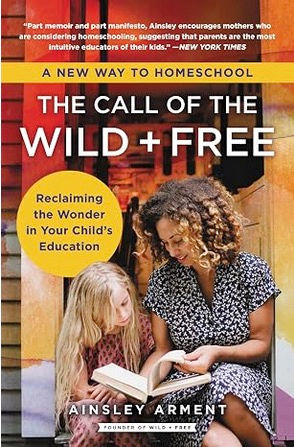
📖 Want the deeper philosophy behind protecting this season of play? The Call of the Wild and Free makes a beautiful, nature-based case for exactly this kind of patient, child-led approach to early education. 👉 Find The Call of the Wild and Free on Amazon
Mistake #2: Picking One Method and Locking the Door
Charlotte Mason. Classical. Montessori. Waldorf. Unschooling. The homeschool world hands you a dozen beautifully packaged philosophies and quietly implies you need to pick one and follow it perfectly, forever.
You don't.
It's wonderful to be deeply inspired by one method — and if you find one you can follow to the letter, genuinely, that's a gift. But many of us can't, and that's completely fine. You're allowed to borrow Charlotte Mason's love of living books, a Montessori-style shelf of hands-on materials, and a classical approach to memory work, all in the same homeschool, all under one roof. This is a journey, not a contract. It takes real time — often years — to find the rhythm that actually fits your specific family, and that rhythm might keep shifting as your kids grow.
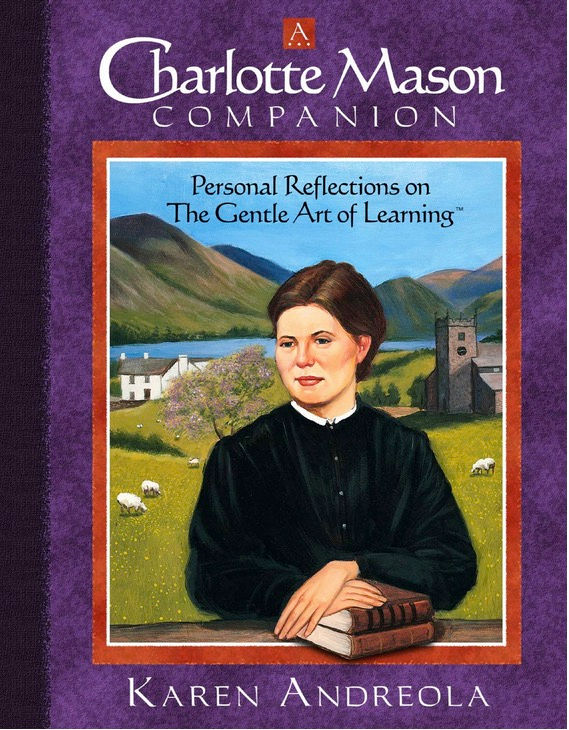
📖 If you want to explore the Charlotte Mason approach specifically (one of the most borrowed-from philosophies in modern homeschooling), A Charlotte Mason Companion by Karen Andreola is the book that introduced over 100,000 homeschool families to her ideas in plain, approachable language — no need to commit to anything, just read and see what resonates. 👉 Find A Charlotte Mason Companion on Amazon
Mistake #3: Being Too Hard on Yourself
Homeschooling is a big responsibility. There's no way around that truth, and pretending otherwise doesn't help anyone. But here's the thing nobody tells new homeschool moms enough: you are allowed to be learning too.
You will make decisions in your first year that you'll change in your third. You will pick a curriculum that looked perfect on paper and turns out to be wrong for your particular kid. You will have hard days, distracted days, days where nothing seems to land. None of that means you're failing — it means you're doing the actual, normal work of figuring this out in real time, the same way every homeschool mom before you has.
Give yourself permission to research, reflect, adjust, and try again. Your rhythm today doesn't have to be your rhythm next year — and it probably won't be, because your kids will keep growing and changing, and so will you, right alongside them.
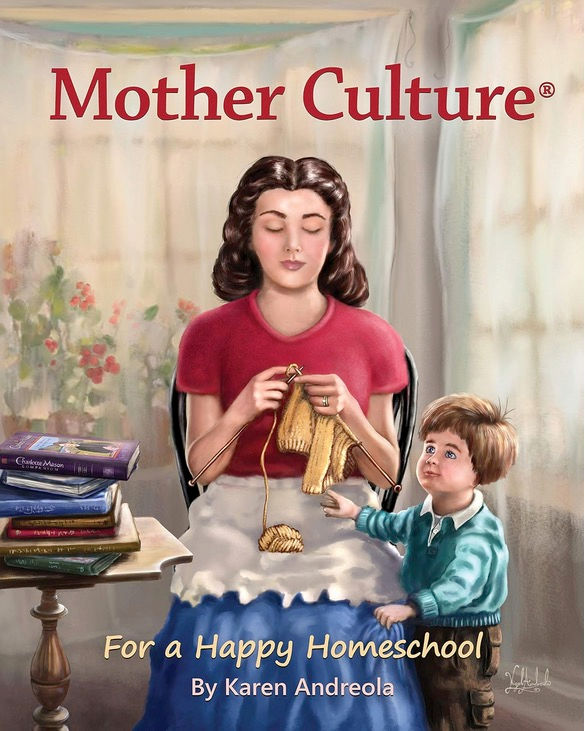
📖 Mother Culture: For a Happy Homeschool by Karen Andreola exists for exactly this moment — it's a gentle reminder that taking care of your own mind and spirit isn't selfish, it's part of what makes a sustainable, joyful homeschool possible. 👉 Find Mother Culture on Amazon
Mistake #4: Winging It Completely
This might sound like the exact opposite of mistake #3, and in a way, it is — homeschooling asks you to hold two things at once.
I've met homeschool moms who genuinely believed everything would simply figure itself out as they went. And look — yes, a lot of it does. But not all of it, and not without some intention behind the figuring-out. It helps enormously to know what resources exist, what best practices other homeschoolers have already learned the hard way, and which philosophies might shape how you approach a subject your child is struggling with.
My honest suggestion: follow your curiosity. Read a little about something that interests you — it will naturally lead you to the next topic, and the next. You don't need a master plan before you start. You just need to be paying attention, and willing to learn alongside your kids rather than assuming it'll all click into place with no input from you at all.
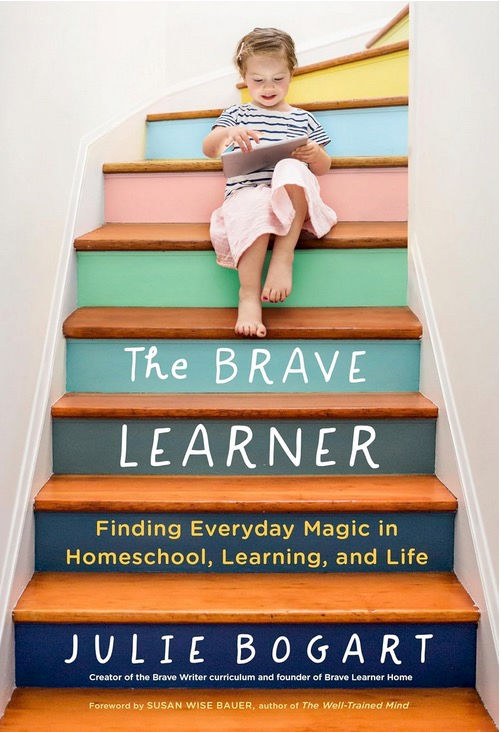
📖 The Brave Learner by Julie Bogart is one of the best places to start this kind of intentional-but-flexible learning — it's full of genuinely practical ideas for making everyday homeschool life feel less like survival and more like discovery. 👉 Find The Brave Learner on Amazon
Mistake #5: Taking On Too Much, Too Soon
It's tempting to build out a full, ambitious daily schedule the moment you commit to homeschooling — every subject, every day, right from the start. In my experience, that's almost always the fastest route to burnout, for both of you.
Watch your child's actual pace. Consistency, even in small doses, worked far better for us than big bursts of lessons crammed into a day. Small, baby-step lessons naturally stretched into longer ones once my son's own curiosity took over — and that curiosity is the thing worth protecting above almost everything else. The moment crying or frustration enters the room, the magic of learning walks straight out the door with it. Start smaller than you think you need to. You can always add more once you see what your child can genuinely sustain.
Mistake #6: Comparing Yourself to Other Homeschool Moms
This one is tempting, especially with social media constantly serving up someone else's beautifully arranged Charlotte Mason shelf or someone else's six-year-old reading fluently. But there is no need to put yourself through this particular kind of torture.
Keep an open mind. Borrow the best ideas you come across. But stay firmly in your own lane. You are one of a kind — you, your specific kids, your specific family rhythm. Focus there, and only bring in from the outside what resonates completely with who you actually are, not who an algorithm is showing you.
Mistake #7: Treating Curriculum Like It's the Whole Education
New homeschool moms often pour enormous energy into finding the "perfect" curriculum, as if the right boxed set will make everything click. But curriculum is just one tool in a much bigger picture — and an overemphasis on it can quietly crowd out the things that matter just as much: conversation, nature walks, read-aloud time, simply being present with your child as they work through something hard.
The curriculum question matters, but it's rarely the thing that determines whether your homeschool thrives. The relationship and the rhythm you build around it matter far more. Give yourself permission to treat curriculum as a helpful scaffold, not the entire structure.
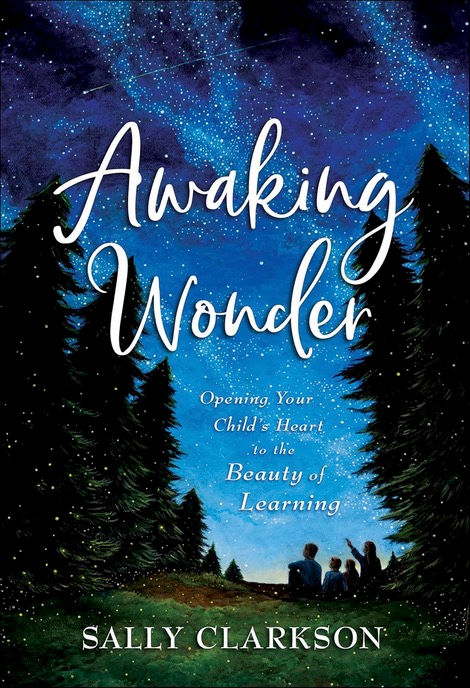
📖 Awaking Wonder by Sally Clarkson speaks directly to this — it's a beautiful argument for prioritizing wonder, relationship, and a love of learning over rigid formulas, drawn from her own decades of homeschooling four children. 👉 Find Awaking Wonder on Amazon
Mistake #8: Underestimating How Much You'll Need to Learn or Relearn
Many new homeschool moms assume the hardest part will be teaching their kids. Often, the harder (and more humbling) part is realizing how much you need to learn or relearn yourself — whether that's a math concept you forgot decades ago, or an entirely new educational philosophy you've never encountered before.
This isn't a flaw in you. It's simply part of the job. Give yourself room to sit with a teacher's manual before the lesson, to look something up mid-conversation with your child, to say "let's find out together" instead of pretending to already know. Modeling that kind of curious, humble learning is, in itself, one of the best things you can teach your children.

📖 Home Education by Charlotte Mason herself is a genuinely foundational read here — dense in places, but full of the original thinking that has shaped modern homeschooling more than almost any other single book. It's worth having on your shelf even if you never call yourself a "Charlotte Mason homeschooler." 👉 Find Home Education on Amazon
Mistake #9: Isolating Yourself Instead of Finding Your People
Homeschooling can feel lonely in a way that's hard to explain to someone who hasn't lived it — your daytime hours look completely different from most of the adults around you, and it's easy to quietly withdraw rather than seek out community. New homeschool moms especially tend to assume they need to figure everything out alone, in their own house, with no outside support.
Don't. Find a co-op, a local park day group, an online community of moms walking a similar path, even just one or two homeschool friends you can text on a hard day. The encouragement and perspective of other homeschool moms — especially ones a few years ahead of you — is one of the most steadying resources available, and it costs nothing but the willingness to reach out.
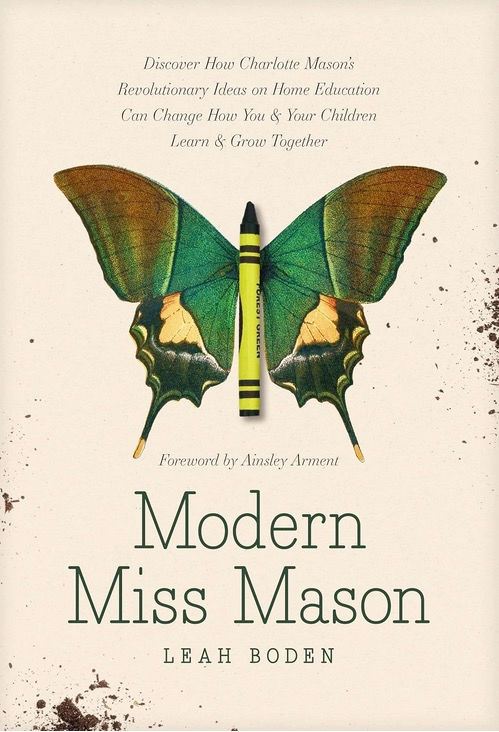
📖 Modern Miss Mason by Leah Boden is a wonderful companion here too — it translates Charlotte Mason's century-old ideas into genuinely modern, relatable language, and reading it can feel like sitting down with a wise, encouraging friend who's already walked this road. 👉 Find Modern Miss Mason on Amazon
Mistake #10: Forgetting Why You Started
Somewhere in the curriculum research, the schedule-building, and the comparison spirals, it's easy to lose sight of the actual reason you chose this path in the first place — whether that was more time together, a love of learning you wanted to protect, or a specific need your child has that a traditional classroom couldn't meet.
When things feel hard (and they will, sometimes), it helps enormously to return to that original "why." It won't fix every hard day, but it tends to put the hard days in their proper place — as a normal, expected part of a meaningful undertaking, not a sign that you've chosen wrong.
A Few Final Words

If you take nothing else from this list, take this: every homeschool mom who looks like she has it all figured out walked through versions of these same ten mistakes to get there. You are not behind. You are exactly where you're supposed to be — in the middle of learning how to do this, one day, one season, one small adjustment at a time.
The books I've mentioned throughout this post aren't a syllabus you need to complete before you're "allowed" to homeschool well. Think of them more like a shelf of encouraging friends, ready whenever you need a particular kind of support — whether that's philosophy, practical ideas, or just permission to rest.
The Complete New Homeschool Mom Reading List
Here's every book from this post, gathered in one place, so you can come back to this list whenever you're ready for the next one.
📖 If you want philosophy and big-picture perspective
The Call of the Wild and Free by Ainsley Arment — A nature-based, wonder-filled case for protecting unhurried childhood and play, especially in the early years.
Awaking Wonder by Sally Clarkson — A heartfelt argument for prioritizing wonder, relationship, and a love of learning over rigid formulas.
Home Education by Charlotte Mason — The original source material behind one of homeschooling's most influential philosophies, straight from Miss Mason herself.
📖 If you want practical, everyday guidance
The Brave Learner by Julie Bogart — Genuinely practical ideas for making everyday homeschool life feel like discovery instead of survival.
A Charlotte Mason Companion by Karen Andreola — The accessible, real-life introduction to Charlotte Mason's ideas that has guided over 100,000 homeschool families.
Modern Miss Mason by Leah Boden — Charlotte Mason's century-old ideas translated into warm, modern, relatable language.
📖 If you need encouragement for you, the mom
Mother Culture by Karen Andreola — A gentle reminder that caring for your own mind and spirit is part of building a sustainable, joyful homeschool.
My honest suggestion on where to start
If I had to hand you just one book today, it would be The Brave Learner by Julie Bogart.
Here's why: most of the other books on this list ask you to fall in love with a philosophy first — and that's wonderful, but it can also feel like homework when you're already overwhelmed. The Brave Learner meets you exactly where most new homeschool moms actually are: a little anxious, a little unsure, and just looking for real, doable ways to make today better. It doesn't ask you to pick a side in the Charlotte Mason vs. Classical vs. Montessori conversation. It just hands you practical, warm, immediately useful ideas — which is exactly the kind of first homeschool book that builds confidence instead of pressure.
Once you've got your footing, that's the perfect moment to come back to this list and go deeper into whichever philosophy actually resonated with you along the way.
Disclosure: This post contains affiliate links. As an Amazon Associate, I earn a small commission from qualifying purchases made through these links, at no additional cost to you. Every book mentioned here is one I genuinely recommend to homeschool moms in my own life.

Comments