Our Homeschool Morning Routine (And Why Yours Doesn’t Have to Look Like Ours)
- HumbleHomeschoolerMama
- Jul 8
- 6 min read

If you've spent any time in homeschool Facebook groups, you know the question comes up every single week:
“What does your morning routine look like?"
And every single time, you get fifty different answers.
That used to stress me out. I kept waiting for someone to hand me the routine — the one that would finally make our mornings click. Eventually I realized that's not how this works.
Every homeschool family runs on a different clock, shaped by your kids' ages, your energy levels, your work schedule, and honestly, your kids' personalities. There's no universal template. But there are patterns that show up again and again — and once you see them, you can pick and choose what fits your family.
So here's what actually works for us, a few things I've tried and dropped, and a couple of approaches from other homeschool circles that might be worth trying in your house even if they didn't stick in mine.
How Our Morning Actually Starts
I wake up before my kids. Every single time, no exceptions. That quiet hour is when I get my own thoughts in order, catch up on work, and knock out anything I didn't get to the night before. I'm not a better parent than anyone who doesn't do this — I just know myself well enough to know I need it.
Once the kids are up, they have free rein for a bit: playing, reading, or watching a curated show while I make breakfast. Because we're a bilingual household, screen time does double duty here — a well-chosen cartoon in their second language is quietly building vocabulary while they think they're just relaxing. It's not a loophole I feel guilty about; it's a deliberate choice.
Screens go off once breakfast is ready. If there's leftover time before we sit down to work, the kids get 15–30 minutes to themselves while I knock out a load of laundry or empty the dishwasher. My youngest isn't school-age yet, so during our actual lesson time, she gets coloring pages, Play-Doh, or another quiet activity nearby. (I've actually written a whole separate post on keeping little ones happily occupied while an older sibling is doing schoolwork, if that's a struggle in your house too. Check it out, here.)
We Start With the Hardest Subject First

For my son, that's handwriting. We start there on purpose — not because it's my favorite, but because willpower is a limited resource in the morning, and I'd rather spend it on the thing he resists most while he's still fresh. Getting him to sit down for copywork can be a bit of a battle, so we lean on tools that make it feel less like a chore:
- A fun, well-designed copywork practice book with engaging prompts instead of dry sentences (cursive or print). Try:






Reward stickers or a small stamp set he can earn after each page
Once handwriting is behind us, math is the reward — he genuinely loves it, so it works as a natural pick-me-up in the middle of the harder stuff.
Then, Enrichment

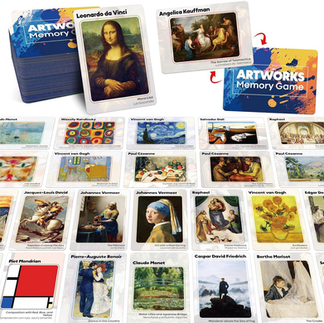
After math, we move into an enrichment subject: geography, history, a biography, music appreciation, art appreciation, or a science topic. We rotate through a small shelf of subject-specific books or games for this — nothing elaborate, just short, engaging reads that don't require a full lesson plan:





By this point, my son is genuinely tired — he's seven, and that's a lot of focused effort for one morning. So we stop there.
Afternoons Are for the Lighter Stuff
Right after his break — running outside, playing with his sibling, just letting his brain breathe — we come back to reading. I firmly believe that a kid who can read always has a good book within reach, and reading time is treated as separate from "schoolwork" in our house.
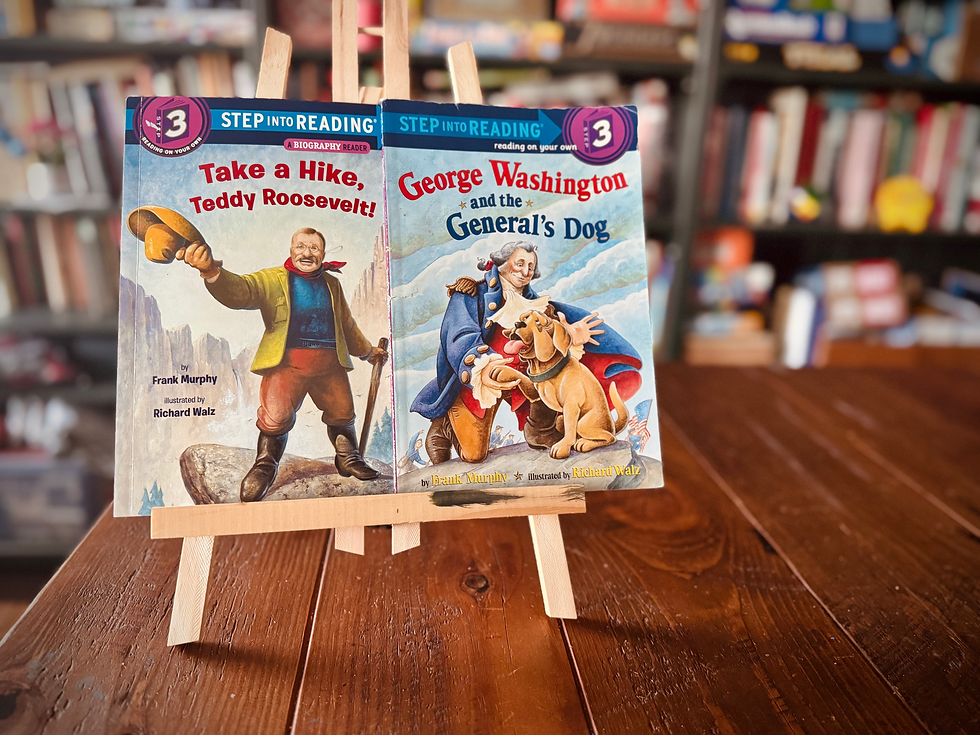
If you're looking for where to start, I put together a full list of books for beginner readers, and a companion post specifically on presidential biography books for beginner readers, if you want something with a little more substance.
Language arts also happens in the afternoon, once his brain has had a chance to reset. After that, the day is open: the zoo, the pool, the park, bike rides, friends — whatever the day calls for.
What We Do When the Routine Doesn't Cooperate

Here's the honest part: this schedule mostly works, but "mostly" is the key word. Some days he's actually more willing to do schoolwork first thing in the morning, so we adjust. We don't run on a rigid 10:00–12:00 block — we run on a sequence. One thing leads into the next, and if something's happening in the morning, everything shifts to the afternoon instead.
The other thing that gives us breathing room: we school on Saturdays and all through the summer. That one decision changes everything. It means if a weekday goes sideways — resistance, travel, a sick kid — we can skip it without guilt and just pick back up the next day.
Something We Tried: The Morning Basket
For a while, we used a morning basket — a box or basket of items set out the night before or early in the morning, so the kids come downstairs to something new and exciting instead of a to-do list. Think small toys, an interesting book, coloring pages, a riddle, anything that sparks curiosity first thing.
It's a genuinely lovely idea, and we still pull it out sometimes. It just didn't become a daily fixture for us — mostly because our mornings already had a rhythm of their own. But if your family thrives on a little morning magic, it's worth trying. A few things that work well in a basket:
... You shape it, these get your creative juices flowing.
If You're More of a Timer-and-Schedule Family
I have several homeschool friends who thrive on structure — a set time to sit down and a set number of minutes per subject. This is close to a Charlotte Mason approach, and honestly, I borrow from it more than I originally expected to. The core idea: short, focused lessons beat long, dragged-out ones. Fifteen minutes of handwriting, twenty minutes of math, and you're done — no overdoing it.
If that structure sounds appealing, a simple visual timer can do a lot of heavy lifting, especially with multiple kids who need to feel the rhythm of
"this is how long we focus, and then we're done."
A visual timer for kids is worth the small investment if you go this route.
But the piece of Charlotte Mason's philosophy that's actually changed how I parent isn't the schedule at all — it's the idea of the *habit of best effort*. Whatever you're doing, do it well, whether that's math, tying shoes, or cooking dinner. That one idea has quietly shaped more of our homeschool than any timer ever has.
The Actual Takeaway
If I had to boil down years of trial, error, and adjustment into one sentence, it's this:
commit to a rhythm consistently, and give yourself permission to change it when it stops working.
That tension — consistency and flexibility — is basically the whole job description of homeschooling.
Some days will run exactly like the plan. Some days there's a birthday party and schoolwork moves to tomorrow. Both are fine. The goal was never a perfect schedule. It's keeping the connection with your kids alive through the process — because that's the part that actually lasts.
---
Everything Mentioned in This Post
Item | Why Recommended |
Engaging prompts instead of dry sentences, makes copywork less of a battle | |
Makes handwriting practice feel less like a chore, with meaningful sentences. | |
Have a laugh! Not everything needs to be classic literature. | |
Short, engaging enrichment read that doesn't need a full lesson plan. This one turns learning into play with puzzles, colorful adventures, and interactive activities. | |
The most important events, ideas, and people that shaped the United States — written in clear, accessible language that brings the past to life. | |
This book is the laugh-out-loud, totally visual, totally digestible guide to Music History. | |
This famous painting-themed matching game features classic artworks from well-known artists, turning art appreciation into a fun and interactive activity. | |
Good morning basket item — sparks curiosity first thing | |
Get their braing working first thing in the morning. | |
If they just want a relaxing, creative morning. | |
Pick one that you guys are doing unit studies on, or something that sparks his or her curiosity. | |
Look for the hidden educational value in small items. This one is one of my favorites! | |
Helps kids feel the rhythm of focused work, especially useful for a timer/schedule-based (Charlotte Mason style) approach |


Comments