Why Every Young Reader Needs a "Current Book" — And How to Choose the Right One for Your Homeschooler
- HumbleHomeschoolerMama
- Jun 14
- 8 min read
Updated: 3 days ago
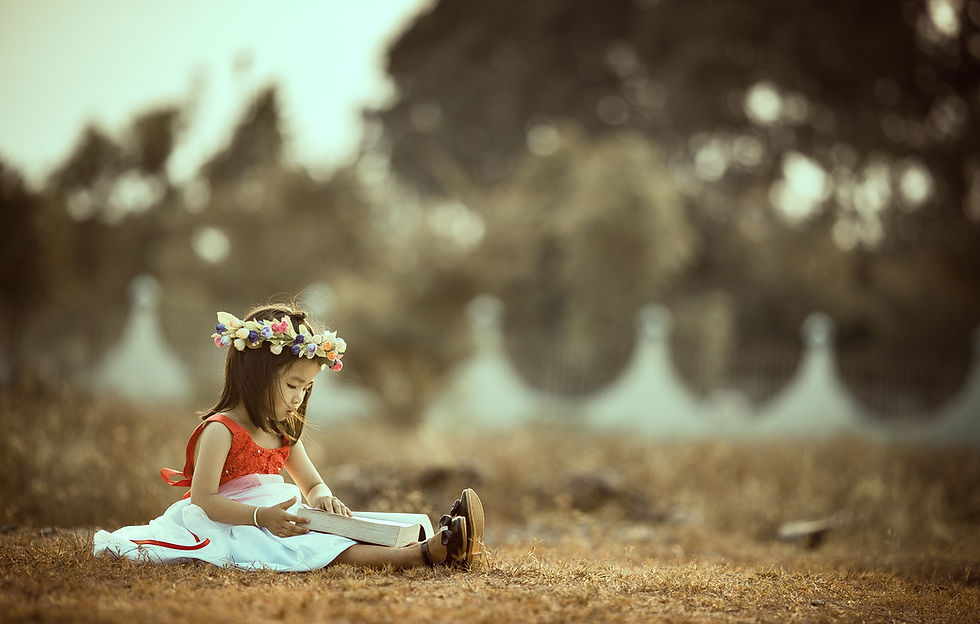
The moment your child sounds out their first real word is one of the most thrilling milestones in homeschool life. All those painstaking hours spent on letter sounds, blending, and phonics patterns — it was all building toward this. But here's a question many homeschooling parents don't ask soon enough: What happens next?
The answer, backed by research and the experience of countless homeschooling families, is simple: your child should always have a book they are currently reading. Not someday. Not when they're "ready enough." Now — from the very moment they crack the code of reading.
The Gap Between Learning to Read and Loving to Read
There is a critical window that opens as soon as a child learns to decode words. In that window, the brain is hungry. It has just acquired one of the most powerful tools in human history, and it is primed to use it.
But if that window closes without the habit of reading being established, the skill can stagnate. Children who learn to read but rarely practice often fall behind their peers in vocabulary, comprehension, and yes — reading fluency itself. This is sometimes called the "fourth-grade slump," a well-documented phenomenon where children who were solid early readers begin to struggle academically when texts become more complex.
The antidote is beautifully simple: always have a good book.
Not a stack of worksheets. Not a reading app (though those have their place). A real, honest-to-goodness book — matched to your child's current reading level — sitting on the nightstand or the kitchen table, waiting to be picked up.

Why "Always Having a Book" Matters More Than You Think
1. Reading Fluency Is Built Through Volume
Fluency — the ability to read smoothly, accurately, and expressively — doesn't develop through instruction alone. It develops through miles of reading. Every page your child reads reinforces letter-sound relationships, sight words, punctuation instincts, and phrasing. A child who finishes one leveled reader and immediately starts another is quietly building a superpower.
2. Vocabulary Grows Exponentially Through Context
Researchers estimate that children learn a significant portion of their vocabulary not through direct instruction, but through encountering words repeatedly in context. A child who is always mid-book is always encountering new words — and their brain is doing the quiet work of filing those words away. This is why voracious readers tend to have striking vocabularies even without formal vocabulary study.
3. It Builds the Habit Before Resistance Can Set In
Habits form most easily when they feel natural — and in early childhood, almost everything feels natural. A child who has always had a current book doesn't experience reading as a chore; it's simply what people do. Establishing this habit at age five or six is exponentially easier than trying to build it at age ten.
4. It Feeds Imagination and Emotional Intelligence
Books — especially great children's literature — are extraordinary tools for developing empathy. When a child follows a character through fear, friendship, loss, and triumph, they are rehearsing emotional experiences in a safe space. This is part of why reading-rich childhoods so often correlate with strong social and emotional skills.
How to Curate the Right Books for Your Young Reader
This is where homeschooling families have a genuine advantage over traditional school settings: you can personally curate every book your child reads. You know your child's interests, sensitivities, and curiosities in a way no classroom teacher can. Use that knowledge.
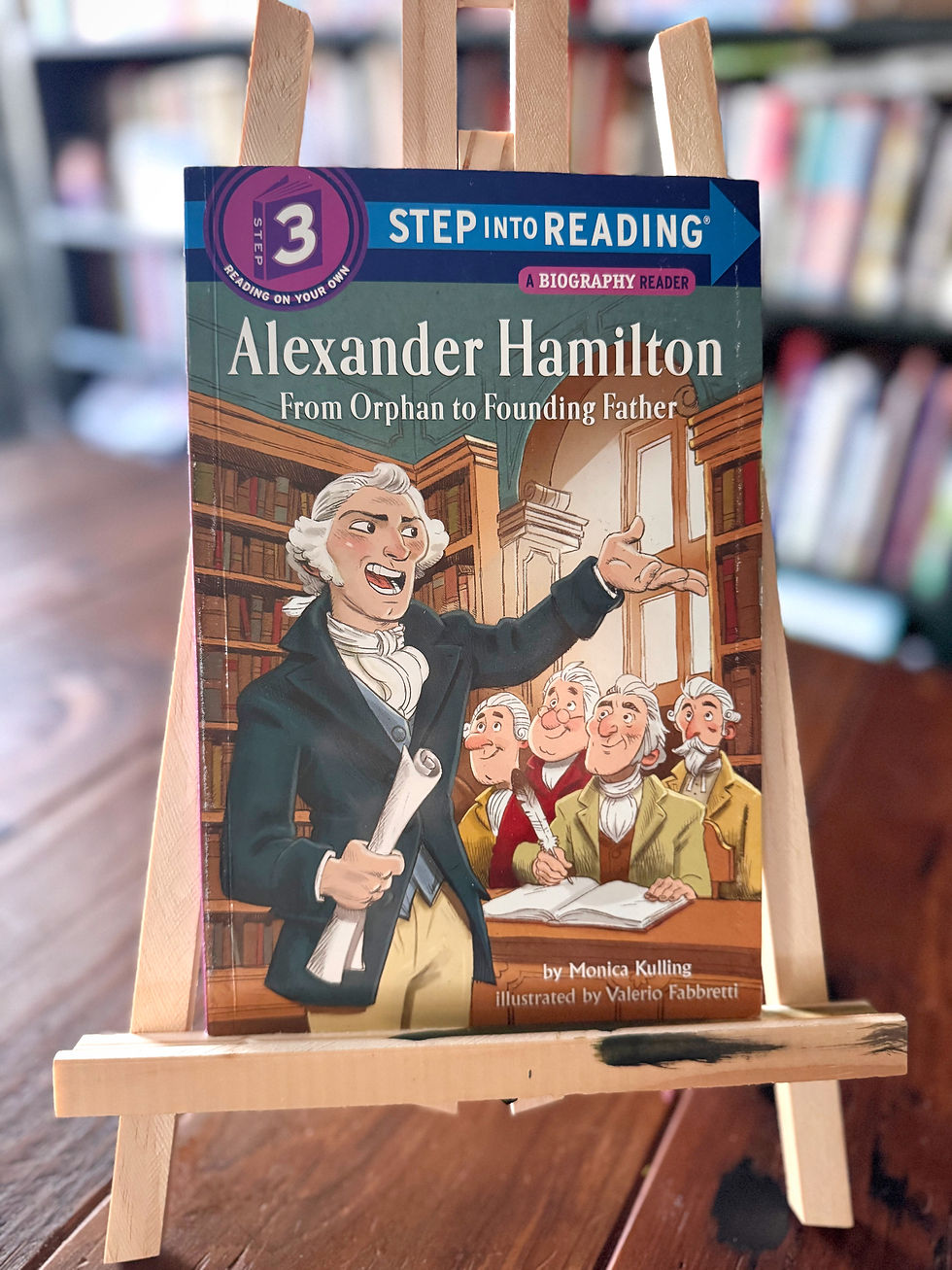
Match the Level — Carefully
A book that is too hard leads to frustration and avoidance. A book that is too easy offers little growth. Aim for what reading specialists call the "instructional level" — texts where your child knows the vast majority of words but encounters just enough challenge to stretch.
A practical rule of thumb: if your child stumbles on more than one word per page, the book may be slightly above their independent reading level. That's fine for read-alouds you share together, but for solo reading, choose something a touch easier.
Follow the Child's Interests
A reluctant reader who loves dinosaurs will tear through a dinosaur book at a level that would have seemed impossible if the topic bored them. Interest is one of the most powerful reading accelerants there is. Don't underestimate it. Stock your home library with books on the topics that light your child up — space, animals, cooking, adventure, humor, history — and let passion drive the pages.
Mix Fiction and Nonfiction
Children's nonfiction has undergone a renaissance in recent years. Beautifully illustrated, age-appropriate nonfiction books about science, history, nature, and culture don't just build knowledge — they build a different kind of reading muscle. Nonfiction requires reading diagrams, captions, headers, and indexes, all skills that matter enormously in
later academic life.
Aim for a healthy rotation. One fiction book, then one nonfiction. Or let your child choose — just make sure both genres have a place in the rotation.
Use Series Books Strategically
Series books are one of the most underrated tools in a homeschool reading program. When a child finishes Frog and Toad Are Friends and discovers there are four more Frog and Toad books waiting for them, something beautiful happens: they become a motivated reader with a reading list. Series like these create momentum. And momentum is everything in early reading.
Revisit Read-Alouds as Solo Reading
Books your child loved hearing you read aloud are perfect candidates for their solo "current book." The story is already familiar and beloved, which reduces decoding anxiety and lets them focus on fluency. Many children delight in re-reading a favorite aloud book on their own, now seeing it through new eyes.

Practical Tips for Keeping "Always Having a Book" a Reality
Create a visible, accessible book nook. Books should be easy to grab — a small basket in the living room, a shelf at child-height in their bedroom, a basket in the car. Friction is the enemy of habit.
Establish a transition rule. When your child finishes a book, the next one should already be waiting. Make choosing the next book part of finishing the current one — a little ceremony of anticipation.
Let them abandon books (sometimes). Not every book will click. If your child is truly not connecting with a title after a fair try, let them move on. A book they tolerate is less valuable than a book they love. That said, gently encourage them to give new books a real chance before deciding.
Read alongside them. When your child sees you with your own current book — when reading is simply what your family does — the message is far more powerful than any curriculum could convey.
Talk about the books. "What happened today in your book?" asked at dinner is one of the most powerful reading comprehension and oral language tools available. It makes reading a shared, social experience rather than a solitary assignment.
A Note on Book Quality
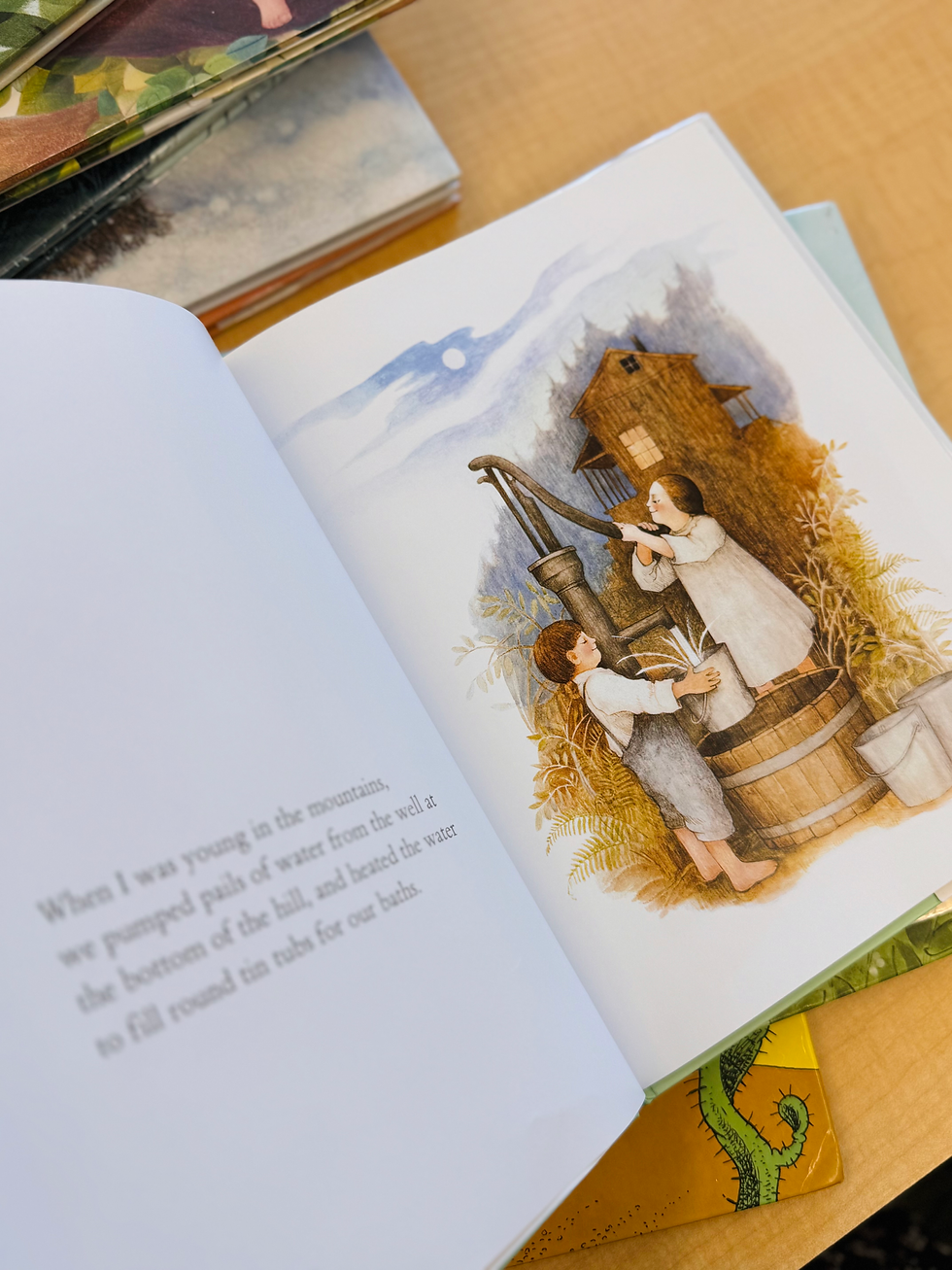
Not all books are created equal, and as a homeschooling parent, you have the opportunity to be intentional about this. While any reading is better than no reading, great literature does things that mediocre books simply cannot.
Well-crafted children's books introduce children to richer vocabulary, more complex sentence structures, and deeper emotional and moral themes. They expand a child's sense of what language can do. Over time, children who read quality literature develop a more sophisticated inner voice — and often become more thoughtful writers themselves.
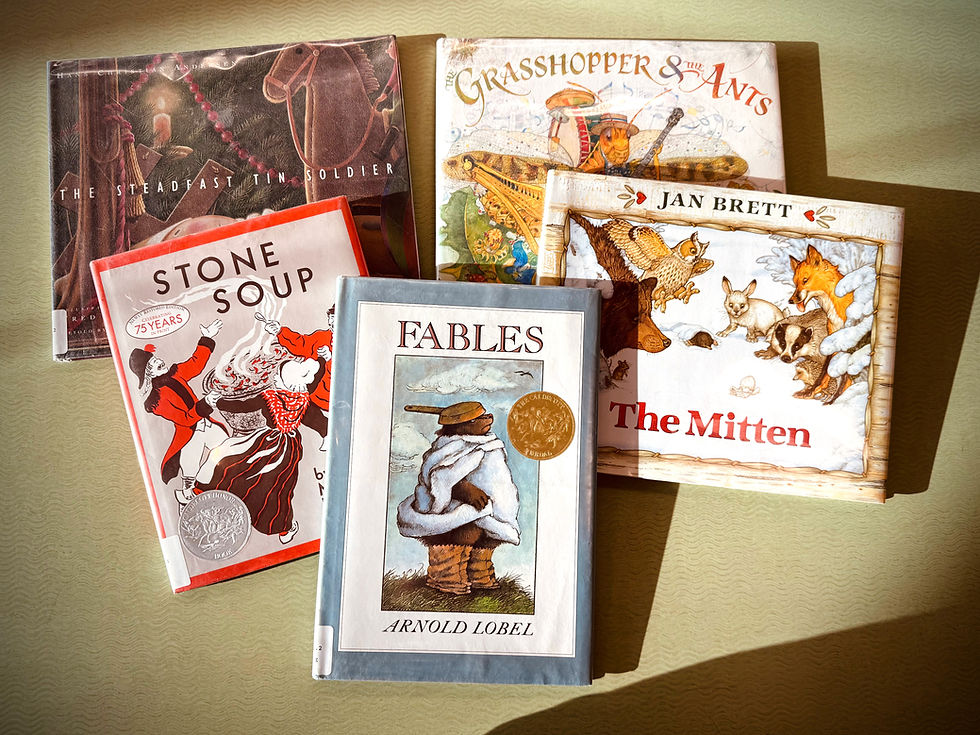
This doesn't mean refusing fun, silly, or "low-brow" books. Captain Underpants has turned more reluctant readers into book lovers than many a Caldecott winner. But aim for a reading life that includes — not just consists of — books with real literary merit.
The Long Game
Here is the thing about establishing the "always have a book" habit early: you are not just teaching reading. You are shaping a reader.
A child who always has a current book grows into a teenager who reaches for a novel during free time, and then an adult who processes the world partly through the lens of stories and ideas encountered in books. The hours spent carefully choosing and gently requiring that your young reader always have something in progress are hours invested in who they will become.
The letters came one at a time. The words came slowly. But the love of reading — that can be built, book by carefully chosen book, starting today.
Recommended book list that I've curated and loved:
Science
Title | Recommendation | |
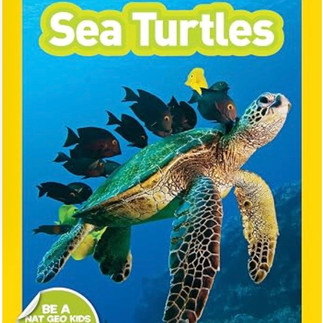
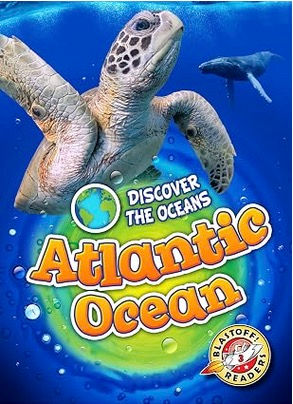 | A great entry point into ocean science, giving young readers a real sense of scale and wonder for one of the world's biggest bodies of water. | |
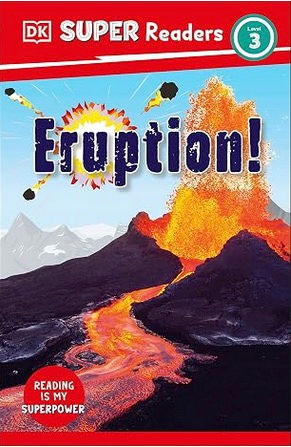 | Volcanoes are an easy sell for kids, and this reader turns that natural fascination into real earth-science vocabulary. | |
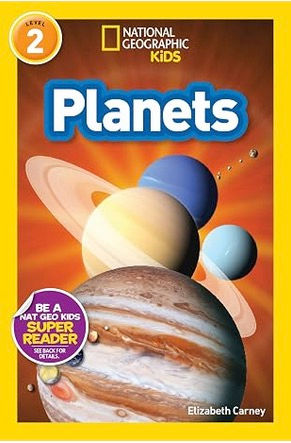 | A solid, photo-rich intro to the solar system that keeps space facts simple without dumbing them down. | |
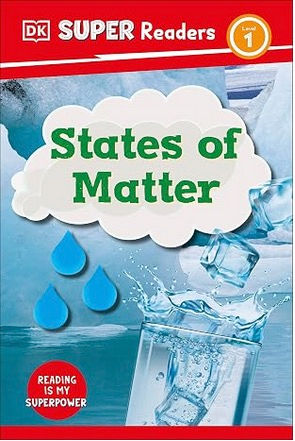 | Makes an abstract concept like solids, liquids, and gases click through everyday examples a beginning reader can actually picture. | |
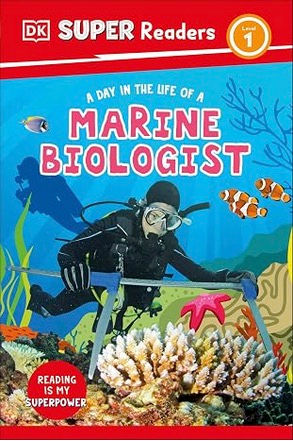 | Great for kids curious about careers, this shows science as something people actually do for a living, not just a subject in a book. | |
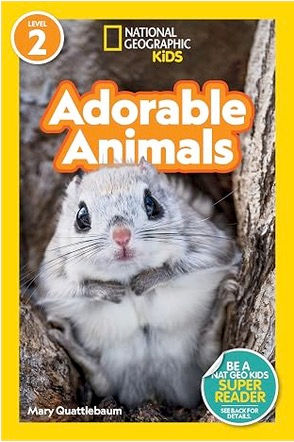 | An easy win for reluctant readers, since cute animal photos do a lot of the motivating work here. | |
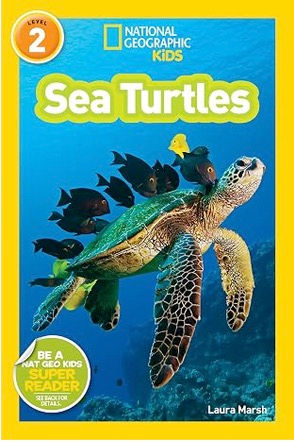 | Combines a beloved animal with real conservation facts, making it a gentle intro to environmental science. | |
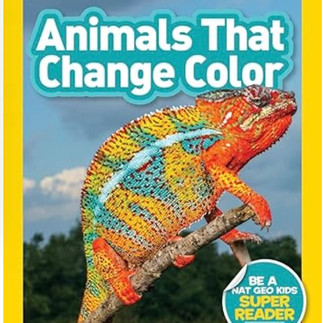
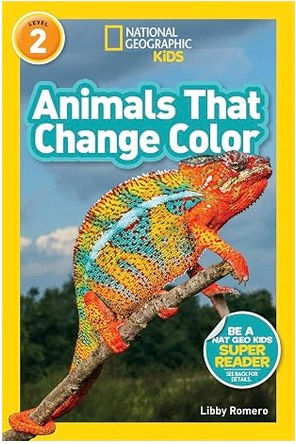 | A fun hook into adaptation and camouflage, topics that naturally spark a "wait, how does that work?" reaction. |
History
Book Title | Recommendation | |
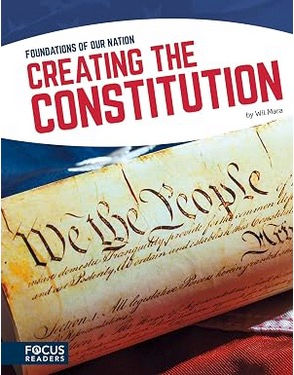 | Breaks down a genuinely complicated topic into something a young reader can actually follow and discuss afterward. | |
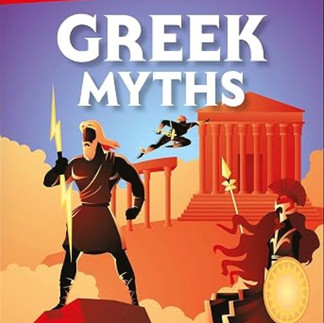
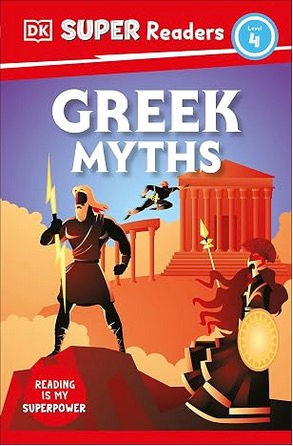 | A fantastic gateway into mythology, blending storytelling with early exposure to classical history and culture. | |
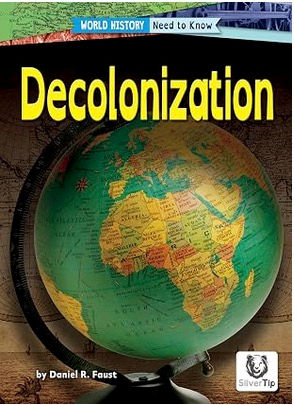 | Tackles a more advanced global history topic in a way that's accessible for older elementary or middle-grade readers. | |
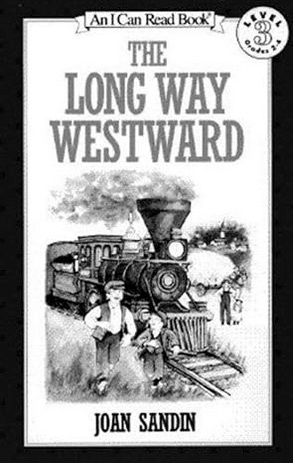 | Puts a personal, human face on immigration history instead of just dates and facts. | |
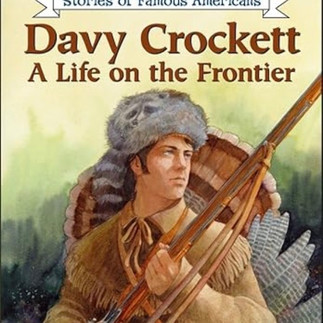
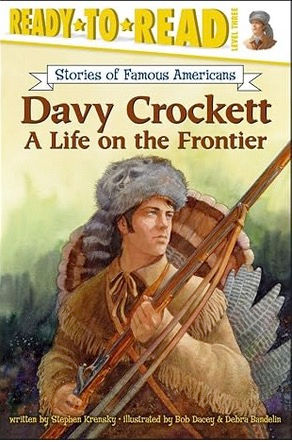 | A natural pick for kids who love adventure stories, with real frontier history woven right in. | |
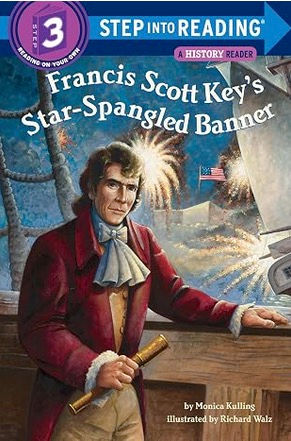 | Turns a song kids already know into a real history lesson about where it actually came from. | |
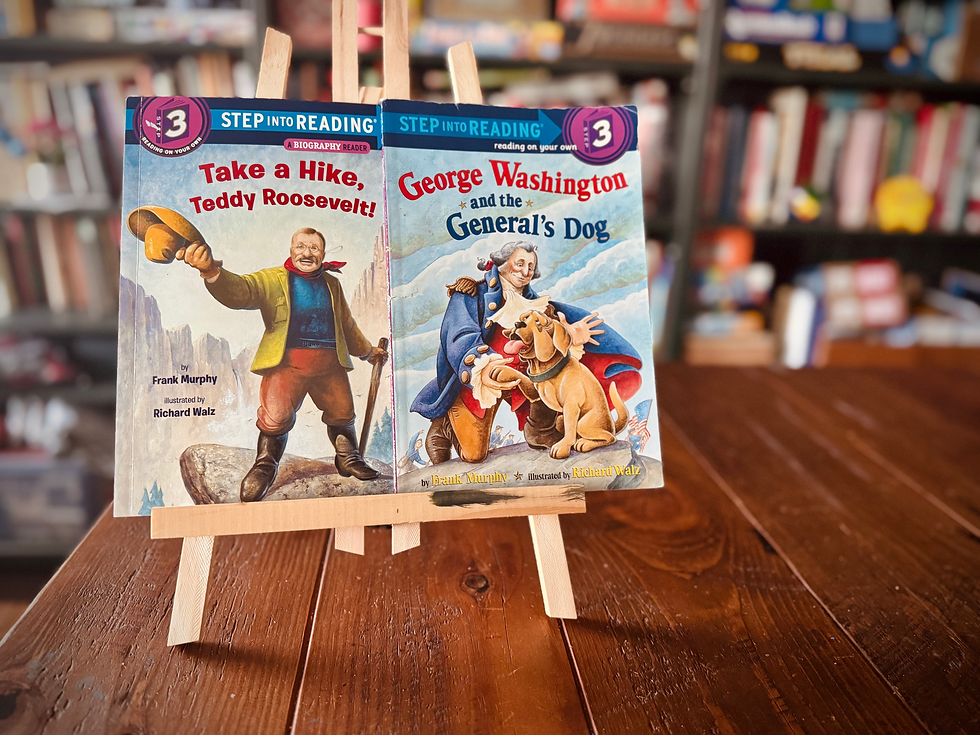
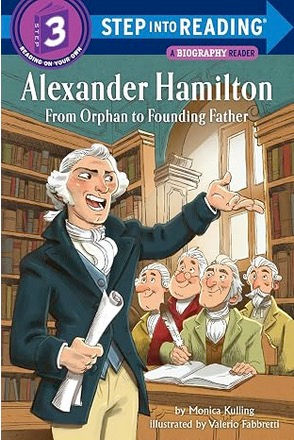 | A great underdog story that makes a Founding Father feel like a real, relatable person. | |
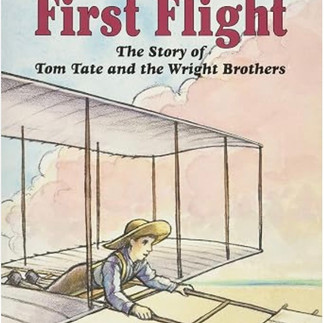
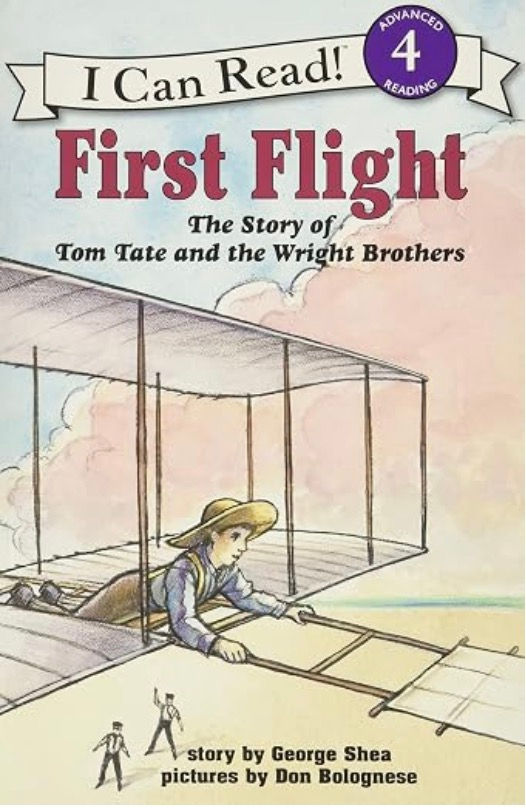 | Tells the Wright Brothers story through a kid's-eye view, which makes the achievement feel closer and more exciting. | |
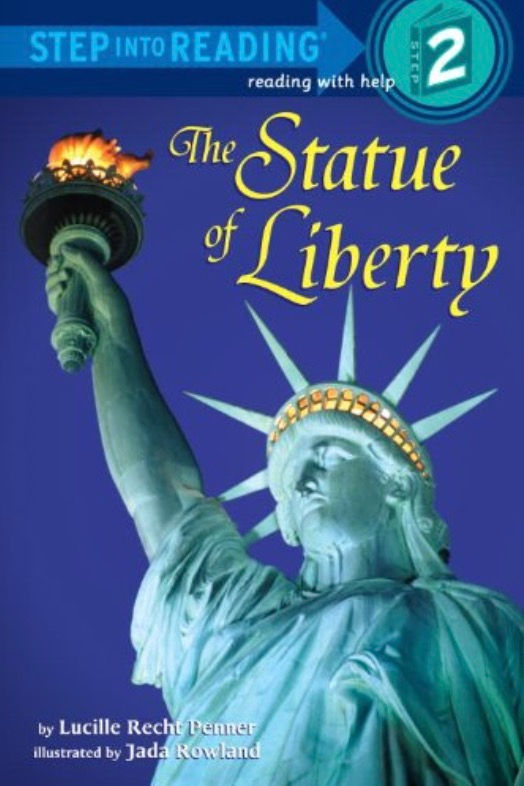 | A simple, solid intro to a landmark most kids recognize but don't know the story behind. | |
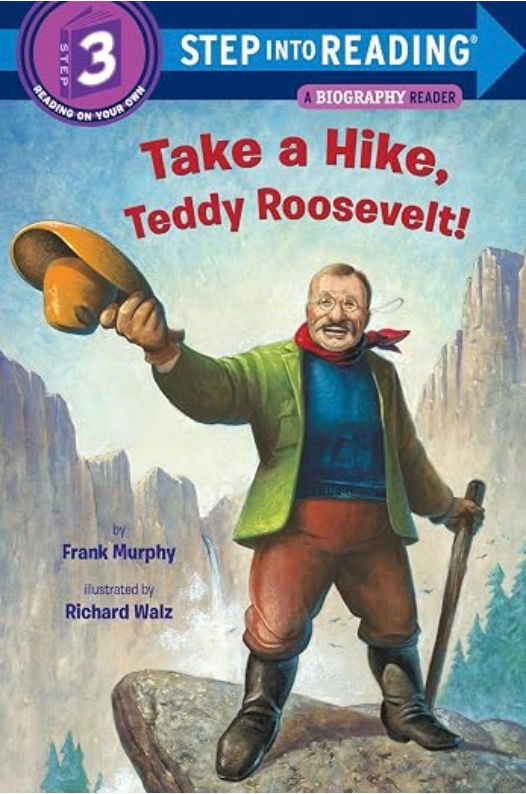 | A playful, high-energy way to introduce presidential history without it feeling like a lecture. | |
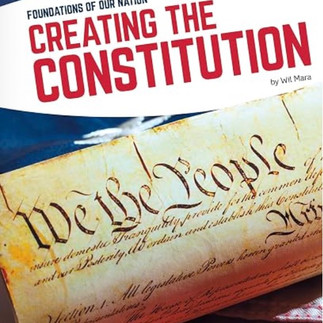
 | A solid foundational read for understanding how the presidency itself came to be. | |
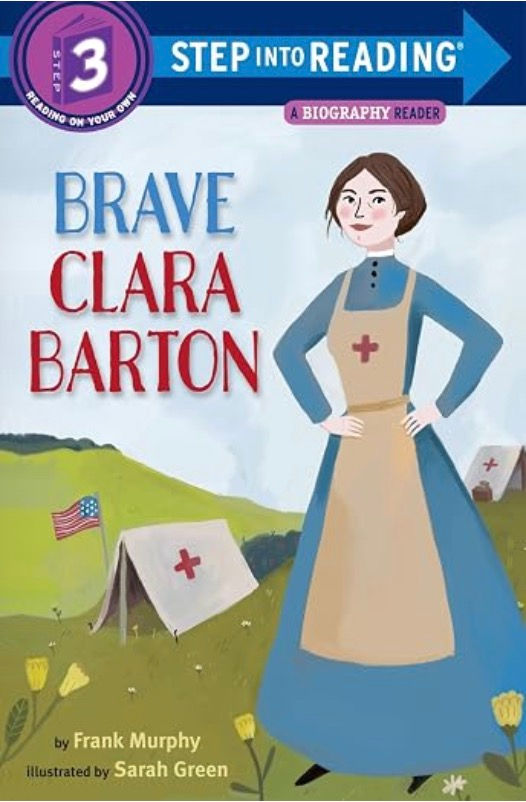 | Introduces courage and service through a real historical figure kids can genuinely look up to. | |
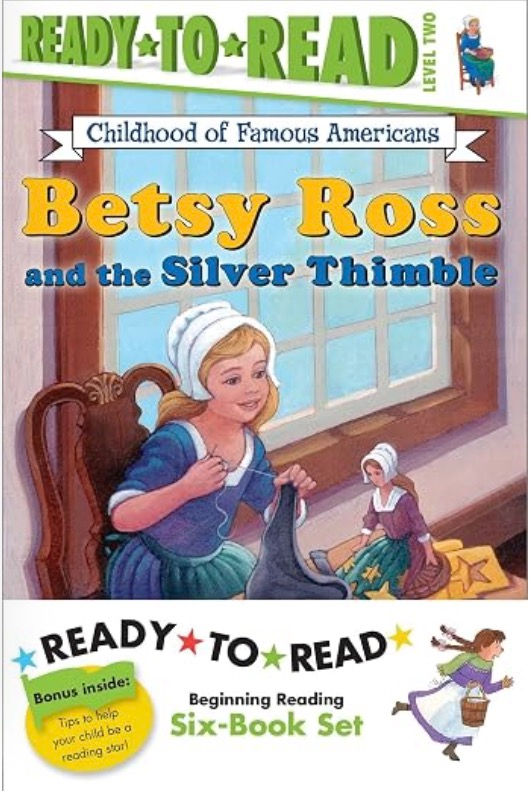 | Great value for building a whole shelf of biography readers at once, covering several inspiring figures in one go. | |
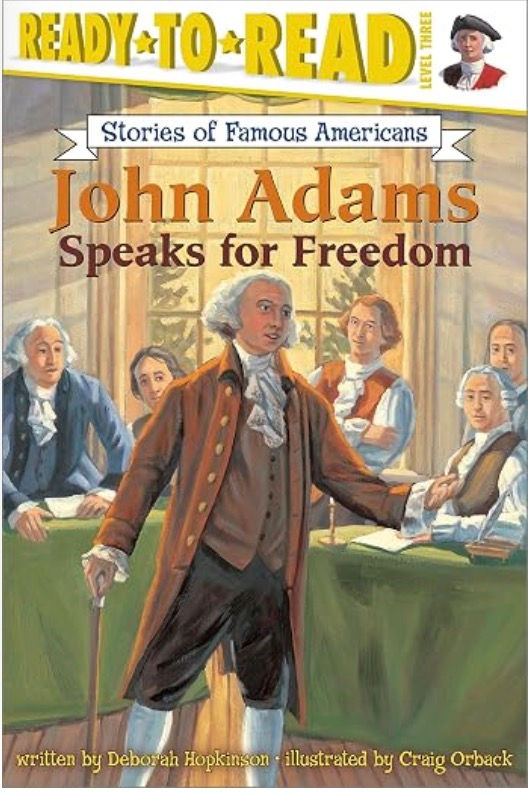 | Makes early American political history feel like a story instead of a list of dates. | |
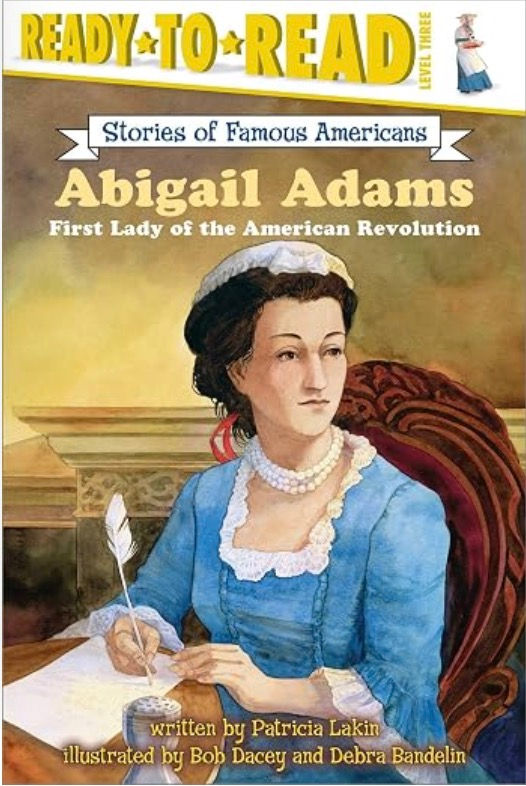 | A nice way to introduce women's roles in early American history, often left out of the standard story. |
Classic or Well-Written Literature
Book Title | Recommendation | |
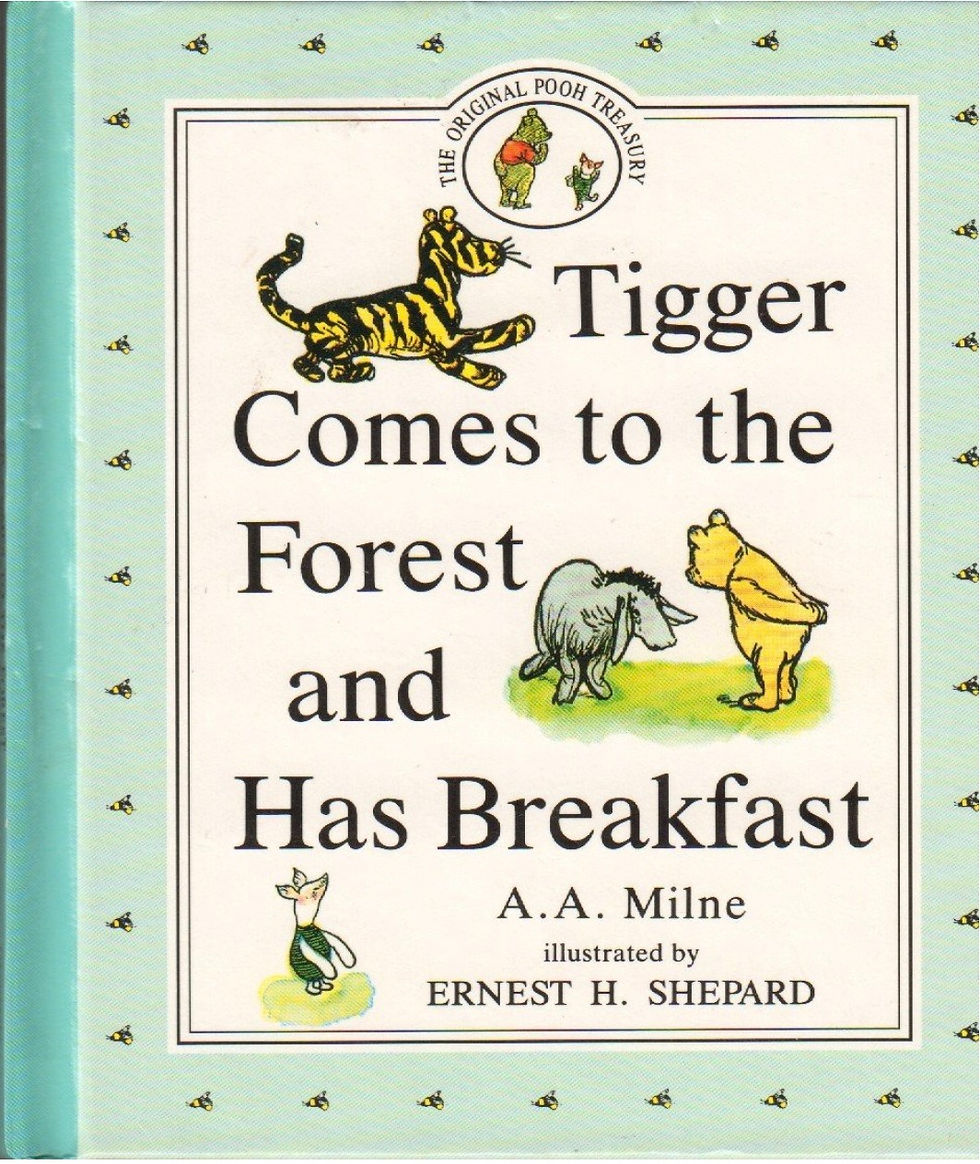 | Gentle, funny, and full of the same warmth that's made Winnie the Pooh a read-aloud staple for generations. | |
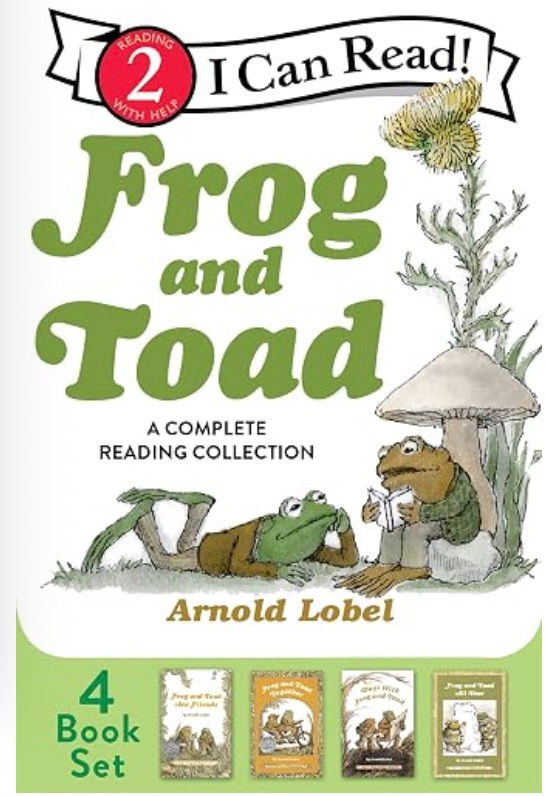 | A true classic for early readers, with simple language and real heart in every story. | |
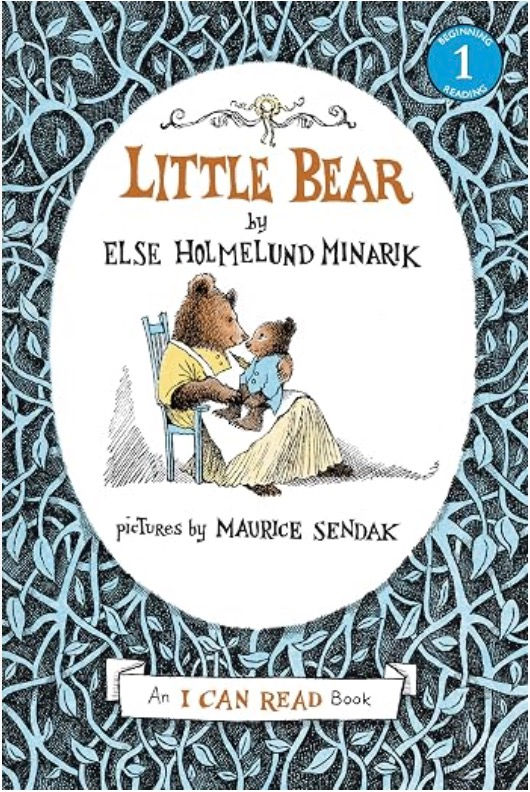 | Cozy, simple, and perfectly paced for a beginning reader building confidence. | |
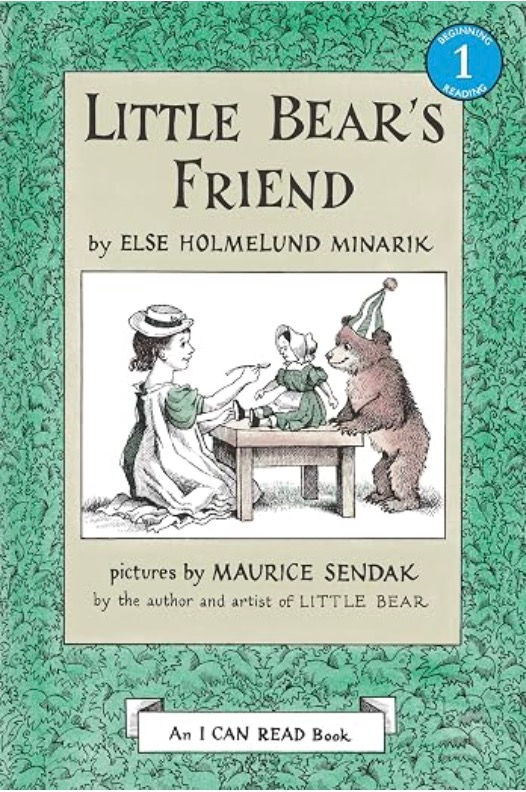 | A sweet continuation of the Little Bear series, great for building a reading habit through familiar characters. | |
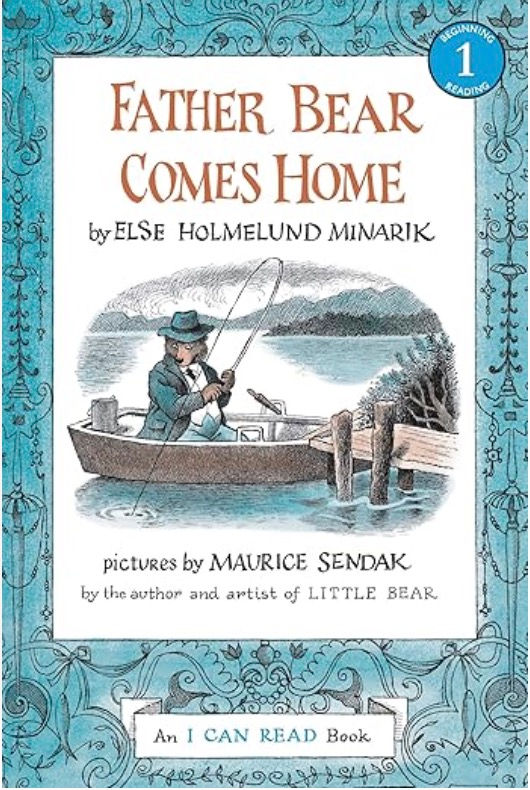 | Another gentle Little Bear story that keeps early reading feeling safe and familiar. | |
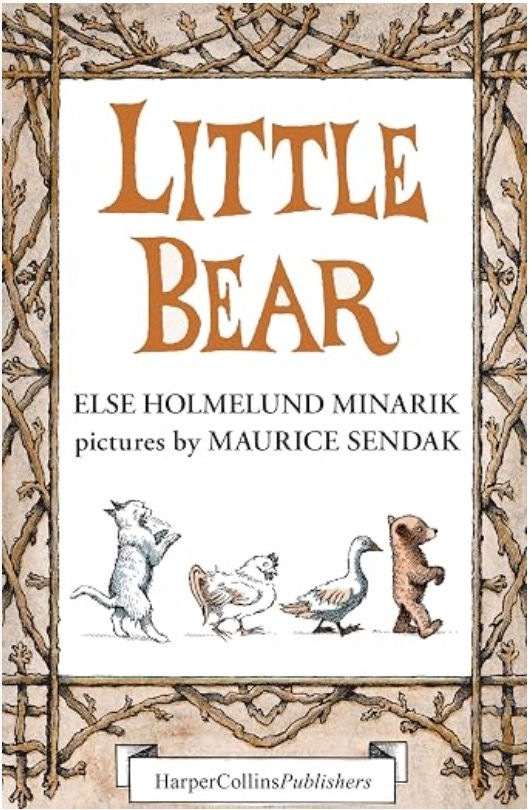 | The most economical way to get the whole beloved series on your shelf at once. | |
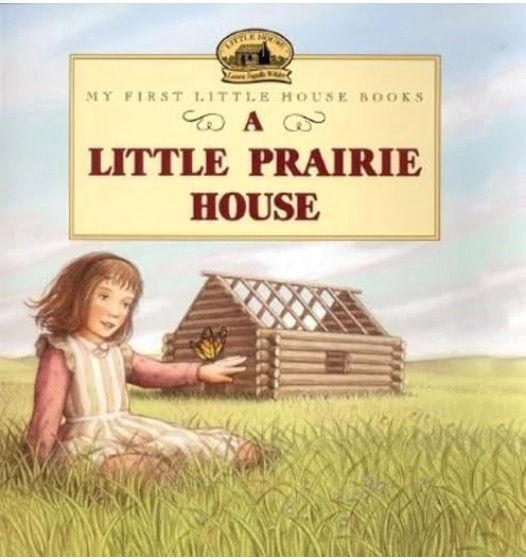 | A lovely companion for anyone easing into pioneer-era stories before tackling the full Little House series. | |
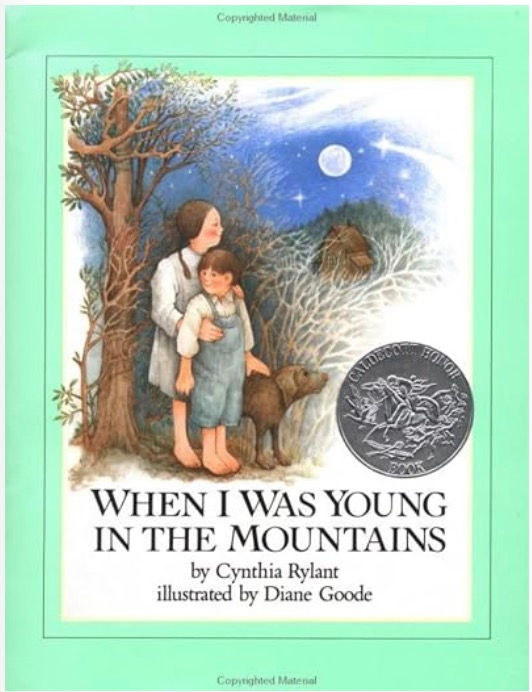 | A beautifully written, quiet story that models strong descriptive writing while celebrating simple family life. |

Comments