Nature Study for Homeschoolers: 10 Simple Tools From a Not-So-Outdoorsy Mom
- HumbleHomeschoolerMama
- 2 days ago
- 5 min read

Nature study might be the one subject on our homeschool schedule that doesn't need a workbook at all. It just needs a door, and the willingness to walk through it.
That's the magic of it. You can absolutely pair it with an in-room curriculum (and I'll link a few of my favorites below), but the real classroom is right outside — the trees, the dirt, the puddles, the weird bug on the sidewalk. Even if you're smack in the middle of a city, there's a park within reach, and that's enough. We Homeschool Mamas can find our way into nature in every season, snow included.
Quick disclaimer, Mama to Mama: I am not an outdoorsy person by nature (pun intended). I like a good hike, I love green spaces, and there's something almost spiritual about hearing snow crackle under my boots on a quiet winter trail. But I know there are families who live this — camping every other weekend, hiking rain or shine, mapping every hidden trail within a two-hour radius. This post isn't for them. This post is for the rest of us.
Because even I struggle some mornings to get the motivation up, wrangle the kids, and get them curious about the flora and fauna two feet in front of them. I've heard the complaint: "What's even the point? This is so boring." And then we get out there, and the magic just... happens. It always does.
So if you're a Mama who finds nature study a little intimidating or hard to make inviting — hang in there, you're in the right place.
Are you already a pro at this? Please, teach me. Drop your tips in the comments. I want to steal every hack you've got.
In the meantime, here's what's worked for us, and the handful of tools that made it click.
1. A Magnifying Glass — Because Everything Deserves a Closer Look
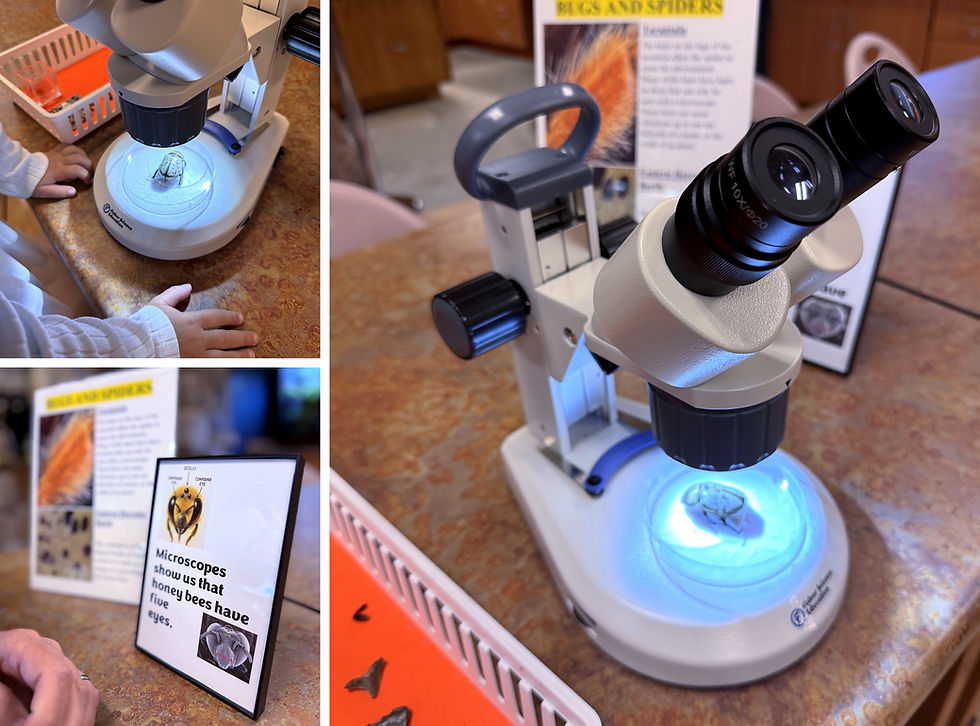
Handing my son a magnifying glass changed the entire tone of our walks. Suddenly bark isn't just bark — it's got ridges and bugs and little worlds in it. He gets to be the one holding the "equipment," which somehow makes him feel like the expert, not me.
👉 Find your style hand held, or even digital: Pick up a kids' magnifying glass set.
If your kids get distracted after five minutes outside, this alone might get you twenty more.
2. Binoculars — Instant Explorer Status

There's something about a pair of binoculars around a kid's neck. It's not even about what they see through them half the time — it's the identity shift. He's not just a kid on a walk anymore. He's an explorer. A birdwatcher. A scout on a mission.
👉 Pick up a lightweight, kid-sized pair of binoculars — make sure they are durable enough for little hands to drop a few times.
This is genuinely one of the cheapest ways to buy yourself a longer, happier walk.
3. Give Them a Task (Turn the Walk Into a Hunt)
"How many kinds of mushrooms can you find?" "Find a leaf with a weird shape and draw it here." A simple task turns passive walking into active looking. This is basically a scavenger hunt you can build in two minutes on a scrap of paper before you head out the door.
Don't have time to make one? That's exactly what a printed nature scavenger hunt book solves for you — which brings me to my next favorite tool. Also, see my post about these guides here.
4. A Nature Journal — So You Don't Have to Be the Idea Machine
Some days I don't have the bandwidth to invent a new scavenger hunt or drawing prompt. That's where a nature journal earns its keep — it comes with the prompts built in, so all I have to do is hand it over and let my son fill in the blanks while we walk.
👉 Order a kid-friendly nature journal with drawing prompts, checklists, and space to record what they find.
This is the tool I reach for on my lowest-energy days, and it still gets the job done.
5. Nature Project Books — Bring the Curriculum Outside With You
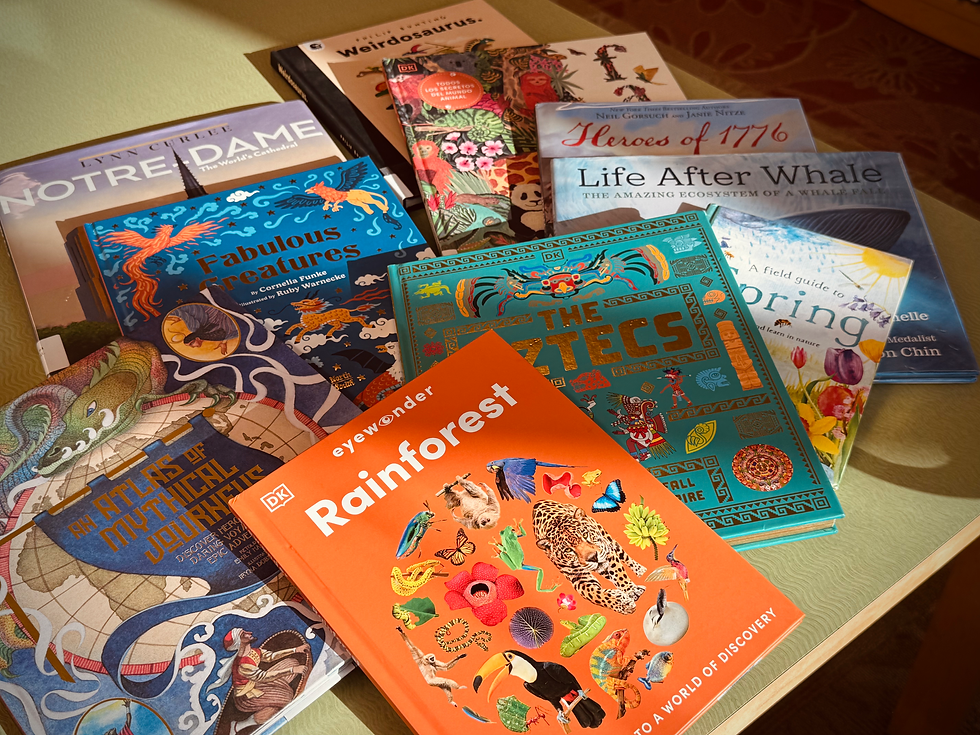
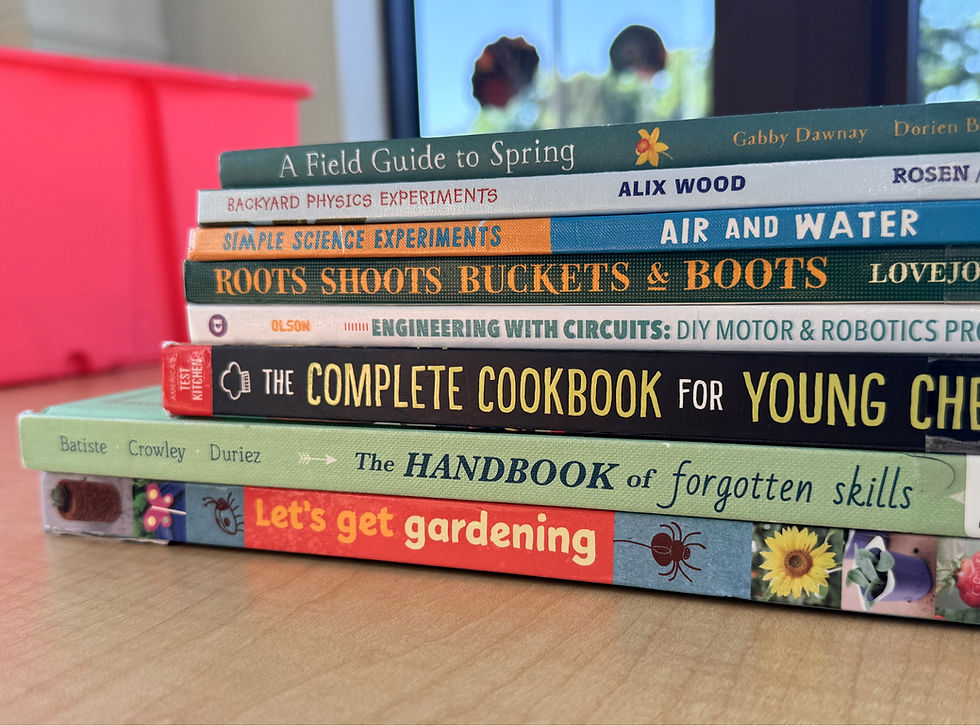
I still love a good book that gives us a project to chase. These give structure to our outdoor time without turning it into a worksheet. We flip to a page, pick a project, and go find what we need for it outside.
A few favorites worth having on the shelf:
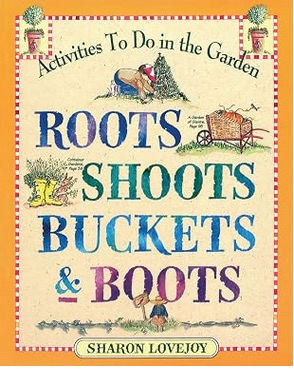
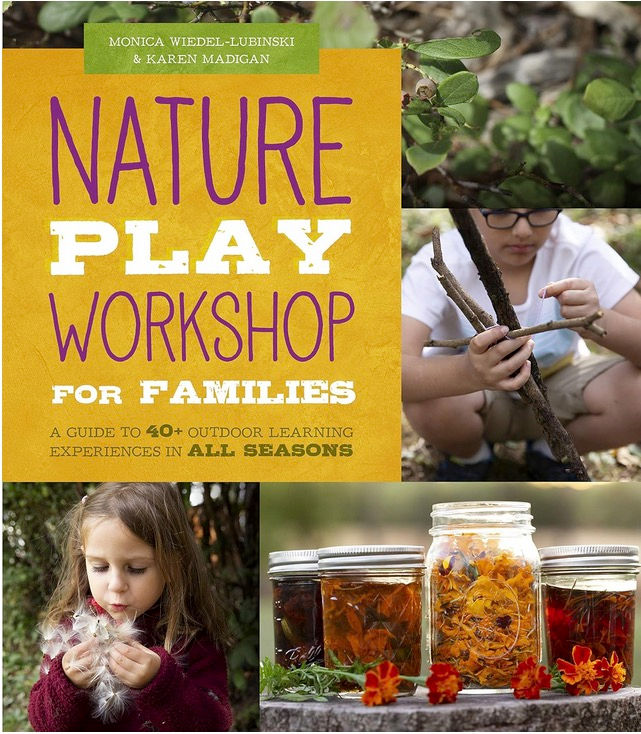
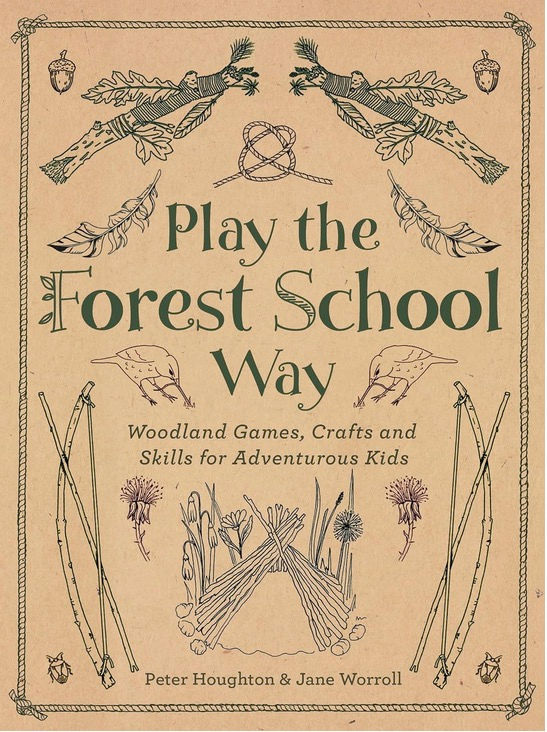
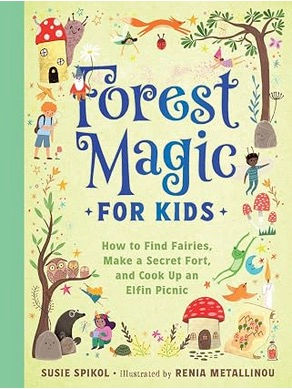
Keep one of these in the car. You'll be surprised how often "I'm bored" turns into "let's do this one."
6. Kids' Gardening Gloves — The Gateway to Getting Their Hands Dirty

I didn't expect this one to work as well as it did. I got my son a small pair of gardening gloves, and almost instantly, he wanted to help pull weeds and plant flowers. Something about having his own gear — sized for his hands — made the chore feel like his project, not mine.
Pair this with a small trowel set and you've basically created your own gardening curriculum for the price of a coffee.
7. A Kid-Sized Hammer — The Winter Hike Game-Changer

Here's a tip that surprised me: bring a small hammer on winter walks. Breaking the ice on puddles is somehow endlessly entertaining, and having a hammer sized for their hands makes them feel like they've got a real job to do out there. It's turned more than one "I'm cold, can we go home" moment into an extended stay.
👉 My pick: a small, safe kids' tool hammer.
Cheap, small, and it might be the reason your kids ask to go back outside in January.
3 More Tips I've Picked Up Along the Way
8. A Bug Catcher Kit Nothing gets a reluctant nature-studier moving faster than the promise of catching something. A simple bug catcher with a magnifying lid lets kids observe insects up close without hurting them, and then let them go — a small but real lesson in gentleness and curiosity.
This one tends to turn even the most hesitant kid into the one begging to stay outside longer.
9. A Kids' Field Guide (Birds, Bugs, or Trees) A pocket-sized field guide turns "what is that?" into a game of identification instead of a dead-end question. Kids love flipping through pictures to match what they just saw, and it builds real observation skills without ever feeling like "school."
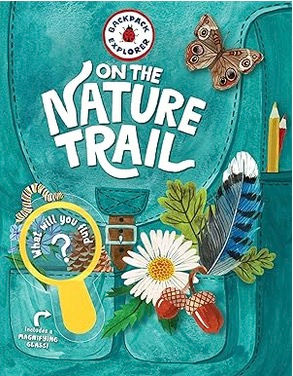
👉This is a great start: Backpack Explorer: On the Nature Trail: What Will You Find?
Keep one in your nature bag and it'll get used more than you expect.
10. A Foldable Kids' Backpack or Nature Explorer Bag Giving every kid their own small backpack to carry their gear (magnifying glass, journal, a snack, maybe a "specimen" bag for cool rocks) gives them ownership over the outing. It's a small thing, but it turns them from a passenger on your walk into a participant in their own adventure.
👉 This Nature Collection Bag is a neat option, because you know they'll want to collect the rocks and other nature treasures.
This is a great one for gifting too — birthdays, holidays, or just a "we're starting nature study" kickoff day.
Ready to Get Started?
You really don't need every item on this list to make nature study work. Pick one — just one — that fits your kid's personality and your family's rhythm, and try it this week. I promise the "this is boring" complaints fade faster than you'd think once they've got their own gear in hand.
And if you try any of these, I'd love to hear how it goes — come back and tell me!
Comments