Projects and Activities: 10 Open-and-Go Books That Do the Work For Me - No Planning, No Stress.
- HumbleHomeschoolerMama
- Jun 25
- 8 min read
Updated: Jun 26
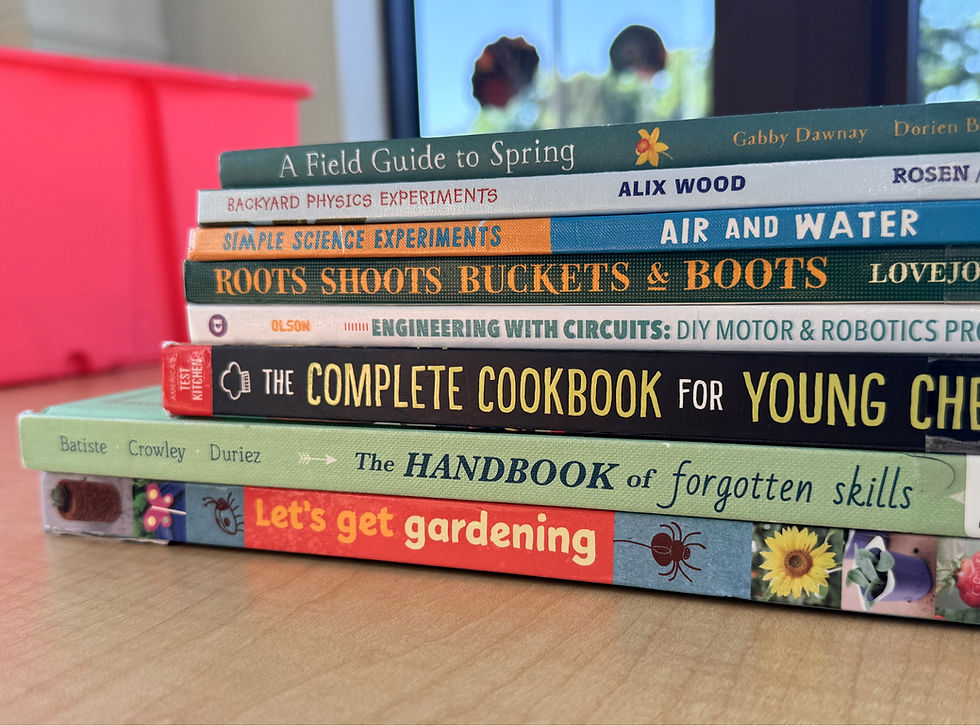
I didn't set out to write a curriculum review. I set out to survive summer.
We homeschool year-round in spirit, even when we're "off" for the summer, and I'd reached that point every homeschool parent knows — the one where the formal lessons are paused, but my kids still need something to sink their teeth into. Not worksheets. Not another workbook. Something that felt like real learning because it was real learning, just dressed up as a backyard project.
So I went looking for books that could stand on their own as a lesson — open-and-go, hands-on, genuinely educational, with zero lesson-planning required from me. What I found turned into the backbone of our entire summer, and honestly, several of these have quietly become permanent fixtures in our homeschool rotation, long after summer ended.
I'm sharing the whole stack here, organized by subject, the way I'd actually file them on our own shelf — nature study, gardening, science and engineering, home economics, and outdoor skills. Whatever subject your homeschool is light on right now, there's probably a book below that fills the gap without you having to build a single lesson plan.
A quick, honest note before we get into it: some of the links below are affiliate links. If you click through and make a purchase, I may earn a small commission at no extra cost to you. It's part of how I keep building free homeschool resources like this one, and I only ever recommend books that have genuinely earned a spot in our curriculum.
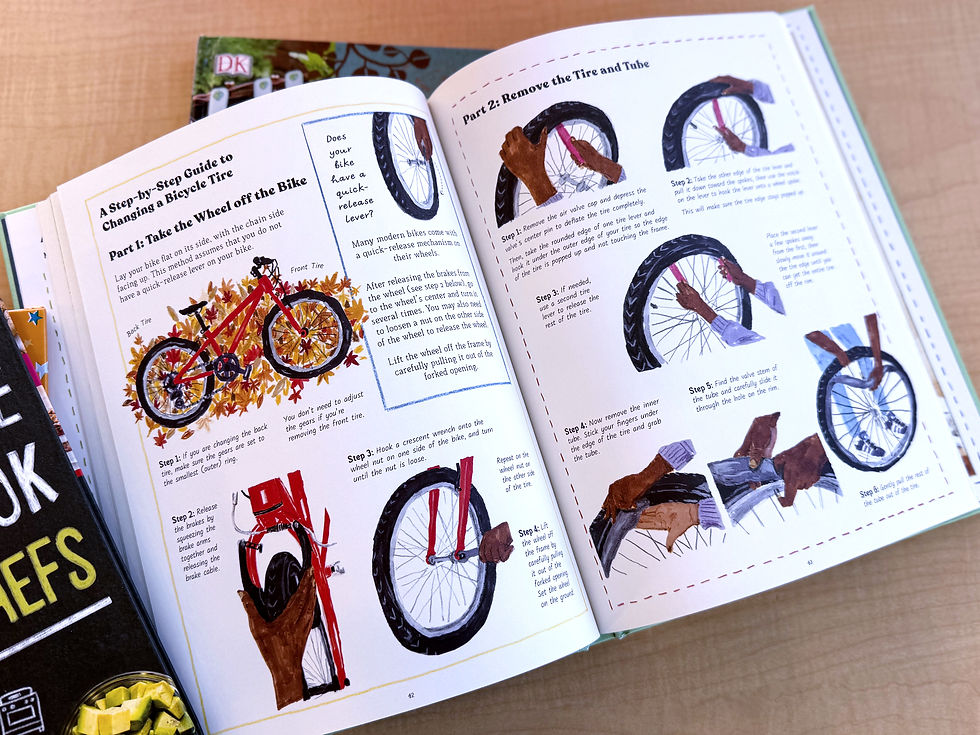
Why Activity Books Belong in Your Homeschool Rotation
If you're newer to homeschooling, or just need the reminder I needed myself this summer, here's why I treat books like these as real curriculum, not just "extra credit":
They turn abstract subjects into hands-on understanding. Reading about the water cycle is fine. Watching your own kid run a simple water experiment and explain why it happened is a completely different level of learning — and it sticks.
They build independence, which is half the point of homeschooling. A good activity book hands your child the instructions, the materials list, and the "why this works" explanation, so they can take real ownership of the project instead of waiting on you to direct every step.
They flex across ages in the same family. This is the part that sold me. With a younger child, the book becomes a side-by-side activity you do together. With an older child, the exact same subject area — gardening, circuits, cooking — becomes something they can run independently, at a deeper level, while you supervise from a distance. One shelf of books, every kid covered.
They count. Nature study, basic physics, practical home economics, outdoor skills — these are genuine subject areas in almost every homeschool framework, and a great activity book can anchor weeks of unit study on its own.
Let's get into the stack, subject by subject.
Nature Study
Nature study is one of the oldest, most respected homeschool traditions for good reason — it teaches observation, patience, and genuine scientific curiosity, and it costs nothing but a walk outside.
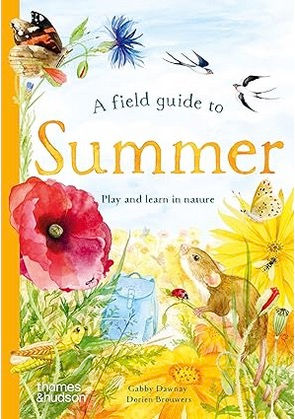
What it offers: A bright, beautifully illustrated guide to the plants, bugs, and small wonders found in any backyard or local park, paired with simple nature-based activities and observation prompts.
Why I recommend it: This is the book that turned our daily walk into an actual nature study — my kids now stop to genuinely look at things instead of walking past them, which is the entire goal of nature study in one sentence.
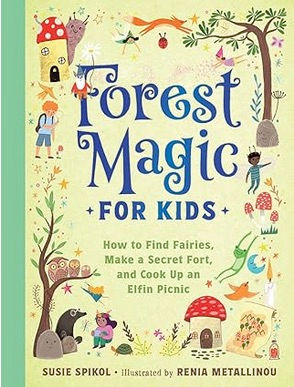
What it offers: A whimsical, imagination-first guide to outdoor play — spotting "fairy houses" in tree roots, building tiny forts, and assembling a pretend woodland picnic from foraged bits and pieces.
Why I recommend it: Nature study doesn't have to be clinical, and this book proves it — it gave my daughter a reason to explore the woods on her own terms, which built far more genuine curiosity than any checklist could have.
🌿 If nature study has felt like a box to check rather than something your kids actually love, these two books are the easiest way to reset that — no lesson plan required, just a walk outside. 👉 Browse nature study and outdoor activity books on Amazon
Gardening & Plant Science
Few unit studies pay off as visibly as gardening — there's a real harvest at the end, and real biology happening the whole way through. These two cover it from completely different angles.
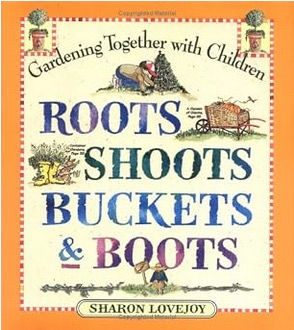
What it offers: A beloved guide to designing whimsical, kid-scaled gardens — like a "pizza garden" planted in a circle of tomato, basil, and pepper "slices," or a teepee of pole beans a child can sit inside.
Why I recommend it: This book turned a boring rectangle of dirt into an actual destination for our homeschool day, and a year later my kids still bring up "the pizza garden" — it made an entire botany unit feel like a story instead of a worksheet.
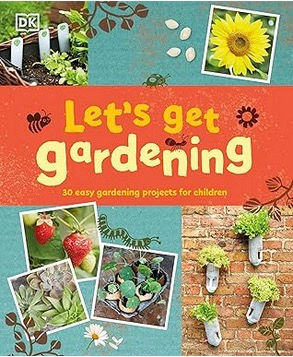
What it offers: A clear, beautifully photographed, step-by-step guide to real gardening fundamentals — planting, watering, harvesting — scaled for young hands and light on jargon.
Why I recommend it: DK never misses on clean, kid-readable layouts, and this one gave my older child enough confidence to manage her own raised bed independently, which made for an easy, self-directed unit on plant life cycles.
🌱 A homeschool garden is one of the highest-leverage unit studies you'll ever run — biology, math, patience, and dinner, all from the same raised bed. 👉 See more gardening books for kids on Amazon
Science & Engineering
This is the subject area where these books have genuinely replaced a curriculum purchase for us. Real concepts, real explanations, real materials you already have at home.
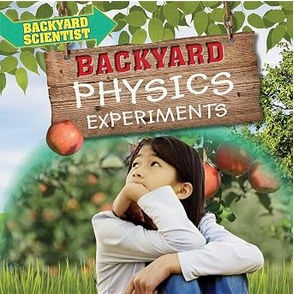
What it offers: A collection of genuinely simple physics demonstrations — gravity, motion, balance, simple machines — using everyday household items and nothing more than a backyard.
Why I recommend it: It's the rare science book that explains the why in language a kid actually understands without watering the concept down, and it anchored an entire informal physics unit for us, no lab required.
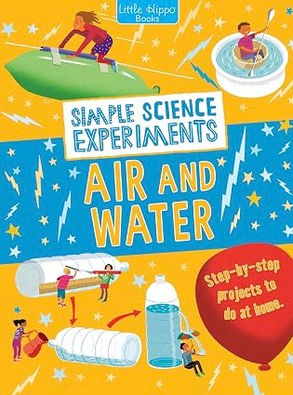
What it offers: A simple, accessible introduction to basic air and water science, with safe, hands-on experiments — sink-or-float tests, "seeing" air through bubbles, and other small, repeatable demonstrations.
Why I recommend it: This was a perfect early-science foundation for our youngest while the older kids worked on harder material — same science table, two different entry points, which is exactly what a multi-age homeschool needs.
52 Random Weekend Projects: For Budding Inventors and Backyard Builders by Grant Thompson "The King of Random"
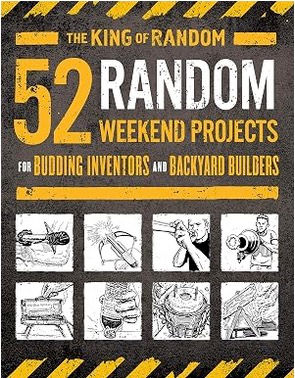
What it offers: A full year's worth of weekend builds — one project per week — ranging from simple gadgets to genuinely clever backyard inventions, all explained in clear, step-by-step detail by a YouTube science educator known for exactly this kind of hands-on tinkering.
Why I recommend it: This book solved the "what do we build this weekend" question for an entire year in one purchase, and the built-in variety means there's always a project that matches whatever mood or skill level my kid shows up with that day.
⚡ If "science" in your homeschool has meant mostly reading so far, this trio is the easiest way to add a genuine hands-on lab component without buying an actual lab kit. 👉 Browse STEM and engineering activity books for kids on Amazon
Home Economics & Practical Skills
These two subjects rarely get their own curriculum line, which is exactly why they're so easy to overlook — and exactly why I think they matter most.
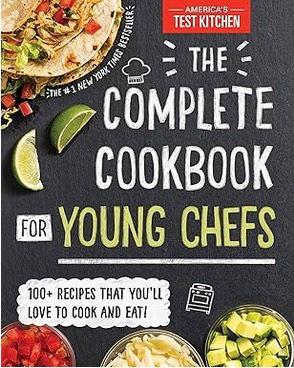
What it offers: Over 100 real, kid-tested recipes — from pancakes to pasta to actual dinners — written and tested so kids can follow the steps independently, with clear photos at every stage.
Why I recommend it: This single book has functioned as a full home economics unit in our house. My daughter made an entire pot of chili by herself, start to finish, and that kind of independent competence is exactly what I want homeschooling to build.
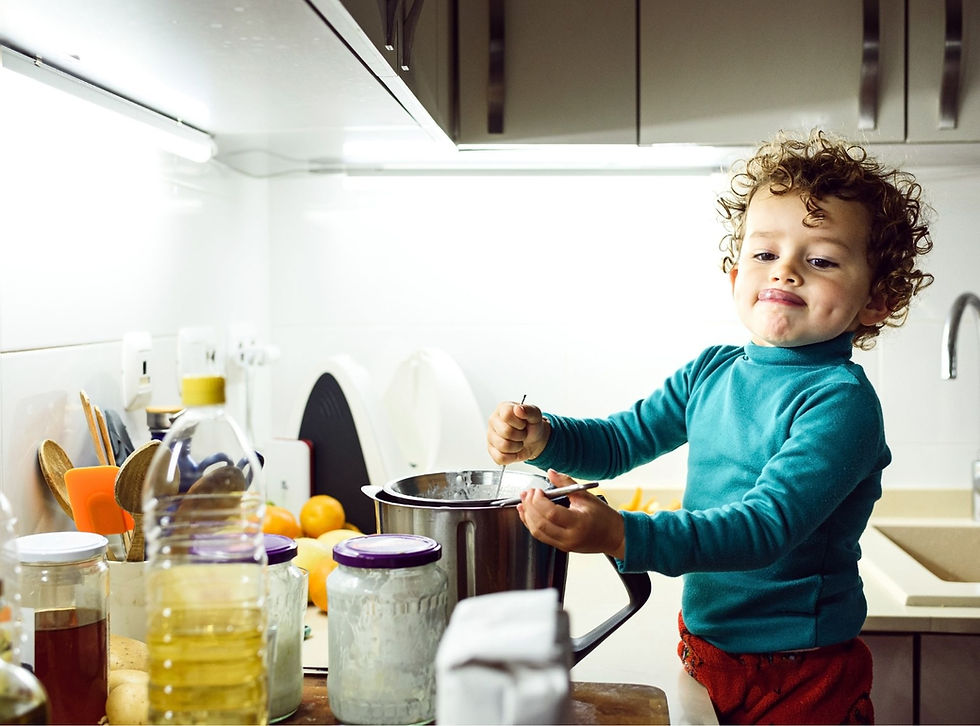
I also wrote a post about kitchen setup for such projects, check it out here.
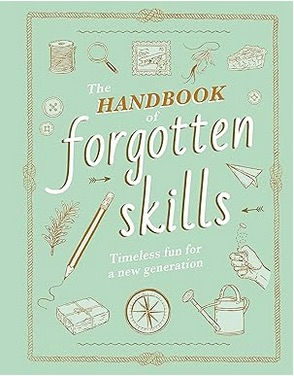
What it offers: A wide-ranging collection of practical, old-fashioned skills — knot-tying, basic first aid, simple navigation, and other genuinely useful abilities that rarely show up in a standard curriculum.
Why I recommend it: I love this one precisely because it doesn't fit neatly into any single subject box — it's a whole "life skills" unit on its own, and it makes a kid feel measurably more capable in the real world.
🍳 Home economics and practical skills are easy to skip in a homeschool day — and easy to fix. These two books quietly cover both without a single formal lesson plan.
Outdoor Education
This last subject area stretches beyond the backyard entirely, and it's where I think homeschooling gets to shine the brightest — real skills, taught in the real world, on your own schedule.
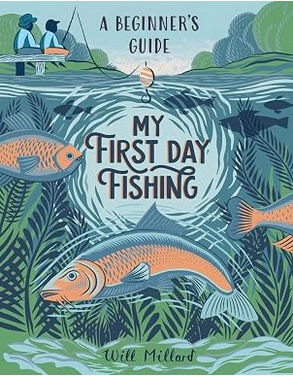
What it offers: A warm, encouraging, fully illustrated introduction to fishing for total beginners — gear basics, casting, what to do when you actually catch something — written by an experienced angler and TV presenter.
Why I recommend it: It turned a slightly intimidating "let's try fishing" field trip into a real, prepared outdoor-ed lesson, and there's nothing quite like watching a kid reel in their first fish because they knew exactly what to do.
🎣 Outdoor education is one of homeschooling's biggest advantages — no bell schedule standing between your kid and a real skill learned outside. 👉 Find more outdoor adventure books for kids
How I'd Actually Build This Into a Homeschool Rotation
You don't need all eleven books on day one (though, full disclosure, we ended up with most of them over time). Here's the simple system that's worked for us:
Pick one book per subject you want to round out. Light on science? Start there. Skipping practical skills entirely? Start there instead.
Keep them on the homeschool shelf, not packed away. A book your kid has to dig for is a book that never gets opened during independent work time.
Let the book be the lesson plan. You don't need to build activities around these — flip to a page, gather what's listed, and go. That's the entire point of "open-and-go."
That's really the whole system. Not a fully mapped-out unit study calendar — just a few genuinely good books, sitting open where curious hands can find them.
Disclosure: This post contains affiliate links. As an Amazon Associate, I earn a small commission from qualifying purchases made through these links, at no additional cost to you. Every book on this list is one we've genuinely used in our own homeschool.
Comments