When Your 7-Year-Old Just Doesn't Want to Do School (And What Saves the Day)
- HumbleHomeschoolerMama
- Jun 14
- 7 min read
Updated: 3 days ago
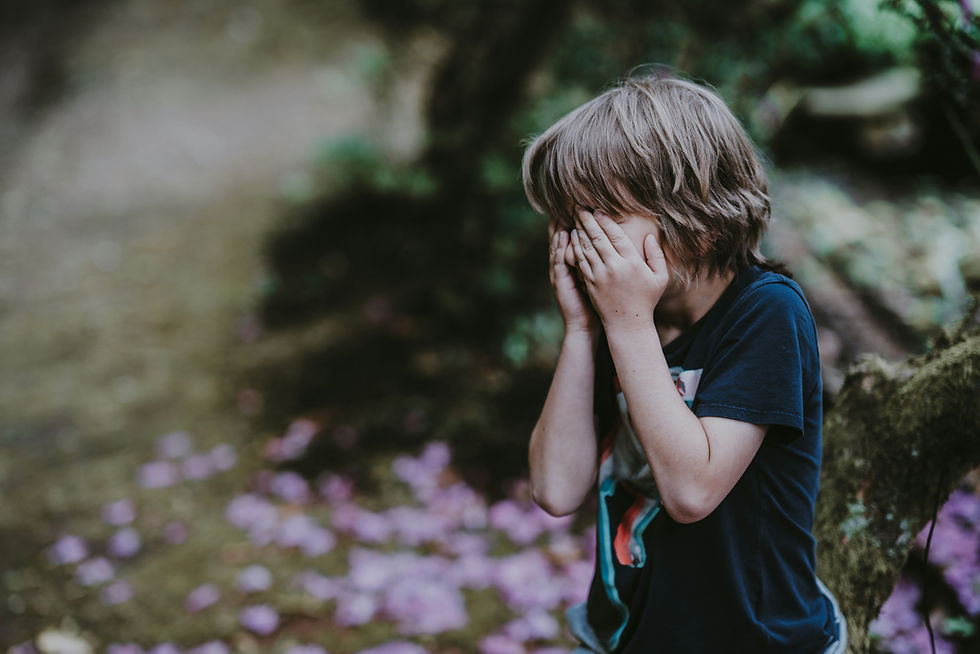
Some mornings, homeschool looks nothing like the Pinterest version. There's no cheerful child sitting at a tidy desk, pencil in hand, eager to learn. Instead there's a small, determined human in pajamas who has decided — firmly — that today is not a school day.
If you've been there, you know the feeling. The gentle coaxing that turns into negotiating, the negotiating that edges toward a standoff, and the sinking mama-thought of: Is this worth it? Are we even doing this right?
You are. And you're not alone.
The Hard Part Nobody Posts About
Homeschooling a young child is one of the most rewarding things you can do — and also, on certain Tuesday mornings, one of the most exhausting. The closeness that makes homeschool beautiful is the same closeness that means your child feels completely safe pushing back on you in ways they never would with an outside teacher.
That's actually a sign of a secure attachment. It doesn't feel like it in the moment, but it's true.
Still, math needs to happen. Writing needs to happen. And when your seven-year-old has dug in their heels, getting through those non-negotiable subjects can feel like moving mountains one inch at a time.
So you push through. You find the patience somewhere — mamas always do — and you get the math done. You get the handwriting page done. Maybe it wasn't pretty. Maybe there were tears (from both of you, no judgment). But it's done.
And Then He Just Wants to Color the Vikings.
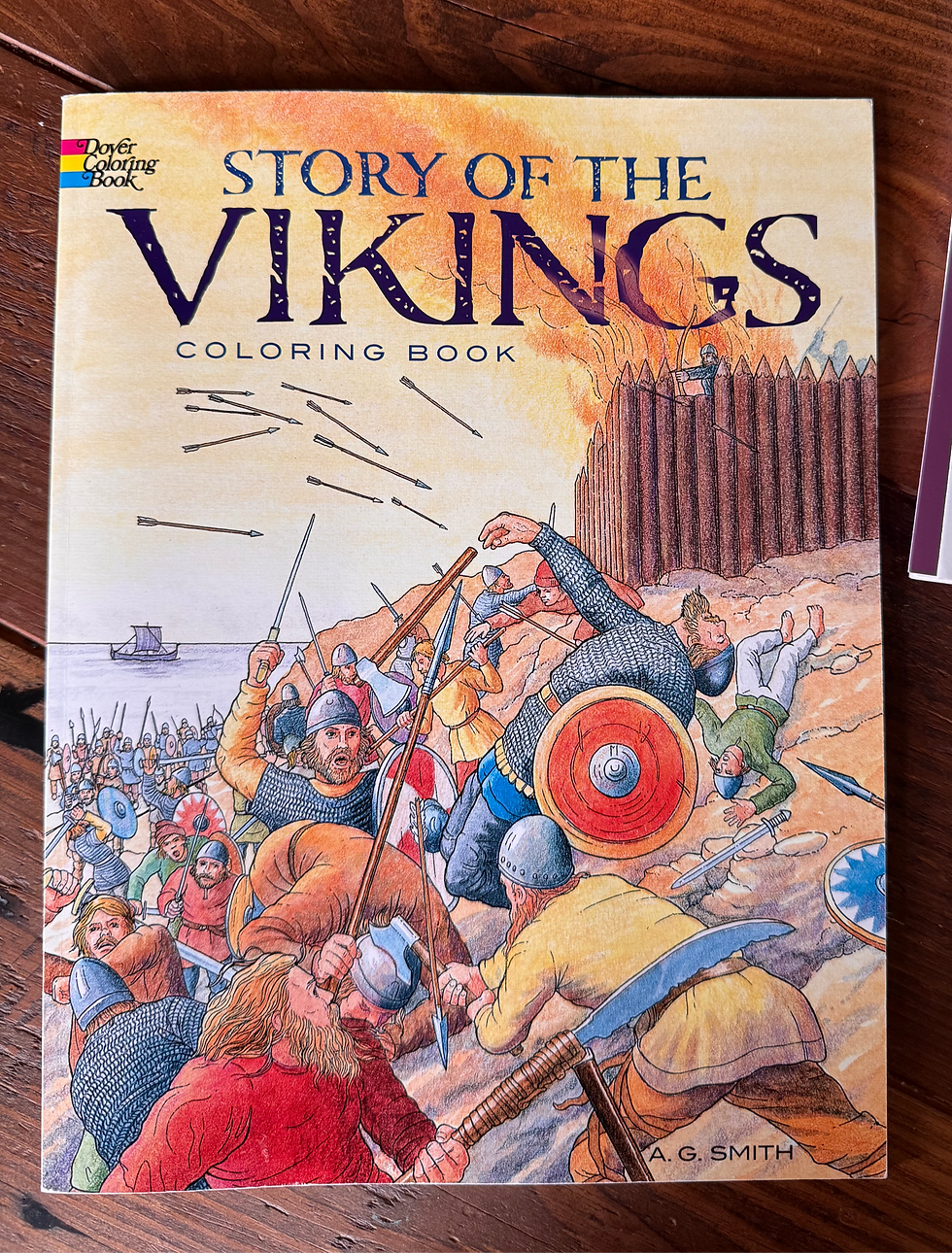
And here is where the day turns around.
Because you happen to have a Vikings coloring and activity book on the shelf. Or an illustrated fact sheet about longships. Or one of those wonderful series books where history comes alive in pictures and humor and bite-sized facts that a seven-year-old can actually absorb.
You hand it over. He takes it. And suddenly the child who was resistant to everything is happily bent over a picture of a Norse warrior, tongue at the corner of his mouth in concentration, asking you:
"Mama, did Vikings really have horns on their helmets?"(They didn't, for the record — and now he knows that too.)
This Is Still School. This Is Actually Great School.
Here's the thing about those "fun" resources: they are doing real, serious educational work. While your child colors a Viking longship, he is absorbing history, geography, and culture.
While he reads the caption under the picture of a Norse god, he is building vocabulary and world knowledge. While he asks you questions about what he's looking at, he is practicing the most important academic skill of all — curiosity.
This is not filler. This is not giving up on school for the day. This is learning at its most natural: a child engaged with something that genuinely interests him, absorbing information without resistance because there's no resistance left.
The hard work is done. The gates are open.
Homeschool educators have known this for generations. When a child is interested, their capacity to absorb and retain information increases dramatically. The coloring page that seems "just for fun" is often the thing they remember for years.
The Win-Win Nobody Talks About Enough

When you push through the hard subjects and then release into something joyful, something important happens beyond just the content learned:
Your child learns that the hard part is survivable, and the good part follows. That is a life lesson that will serve him in ways that go far beyond any curriculum.
You get to exhale. The tension that built up during math lifts. You watch your son, who twenty minutes ago had absolutely no interest in learning anything, happily lost in the world of Norse explorers — and you remember why you chose this.
There is no classroom in the world that can offer this particular combination: the rigor when rigor is needed, the grace to follow a child's curiosity when the work is done, and the deep knowledge of your child that only you have — the knowledge that today, what he needs is to color the Vikings.
You're Doing Better Than You Think
On the hard mornings, it can be difficult to see the full picture. But step back and look at what actually happened today: your child practiced math, practiced writing, and spent an hour joyfully immersed in history.
He learned. He stayed curious. He ended the school day happy.
And Mama? Mama got a win.
That's the day. That's the whole beautiful, imperfect, worthwhile day.
Resources to have on hand, when school needs to be 'light':









Language Arts:
A fast-paced group game where everyone's holding a card and listening for their cue. It sharpens attention and vocabulary at the same time, and the chain-reaction format makes even quiet kids excited to jump in when their turn comes up.
Built like play, not a spelling test. Kids stretch their word bank through guessing, matching, or describing rather than memorizing definitions cold, so new words actually stick because they were fun to find.
Roll the dice, build a word, beat the clock. It turns spelling practice into a race against yourself (or a sibling), which means kids are hunting for words on purpose instead of being asked to memorize a list.
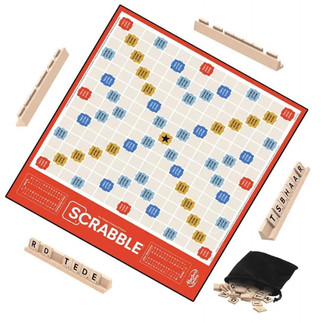
The original word-building classic for a reason. It quietly teaches spelling, strategy, and vocabulary all in one board, and it's just as fun for a parent to play as it is for a kid — a rare game the whole family actually wants to sit down for.
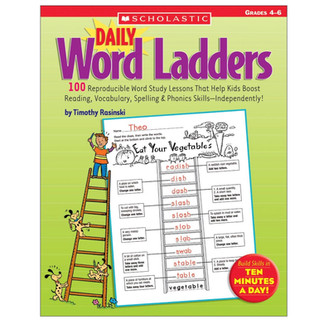
Small daily doses instead of a big overwhelming list. One new word, a little context, a little play — the kind of gentle repetition that builds real vocabulary over a school year without ever feeling like drilling.
Change one letter, get a new word, climb the ladder. It's basically a word puzzle in disguise, and it trains phonics and spelling pattern recognition in a way that feels like solving a mini mystery each morning.







History:
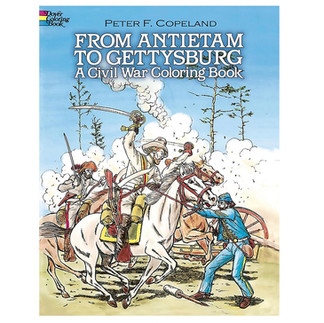
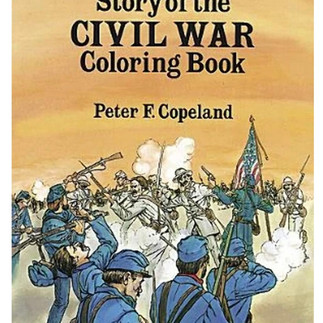
Coloring feels like play, but every page quietly teaches — pharaohs, Roman soldiers, Greek temples, all rendered in detail your kid gets to bring to life with their own colors. It's history that sneaks in through the crayons instead of a textbook.
Turns "quiz time" into game night. The question-and-answer format keeps facts bite-sized and competitive instead of overwhelming, so kids absorb history the same way they'd learn trivia about their favorite show — without realizing it's schoolwork.
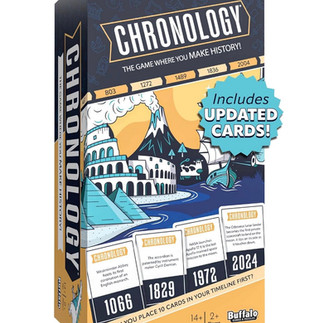
This one's brilliant because the whole game is just "put these events in order" — no dates to memorize, just reasoning and guessing. It builds a real sense of historical timeline and cause-and-effect, all while everyone's laughing about how wrong their guesses were.
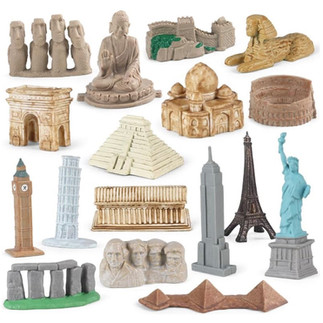
Hands-on beats flashcards every time. Building the Eiffel Tower or the Colosseum piece by piece teaches architecture, geography, and patience all at once, and it ends with something they're proud enough to display on a shelf.
Classic memory-match mechanics, but every flipped card is a landmark instead of a random picture. Kids build visual recognition of national monuments without ever feeling like they're "studying" — it's just a game they want to win.







Science | Math | Nature | Geography:
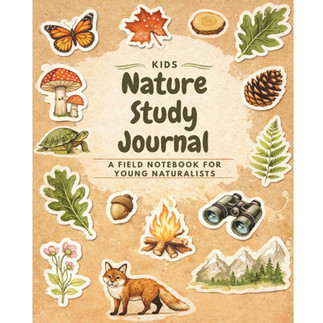
Leaves, birds, insects, and ecosystems rendered in detail worth studying, not just filling in. Coloring slows kids down enough to actually notice the shape of a wing or the pattern on a shell, which is half of what nature study is really about.
Turns a walk outside into a real observation practice. Sketching a leaf or jotting down what they noticed builds attention to detail and early scientific thinking, and it doubles as a sweet keepsake of your child's own words and drawings.
An interactive globe that answers questions when you touch it, so geography becomes a conversation instead of a lecture. Perfect for the kid who wants to know "where is that?" ten times a day.
Montessori-style matching cards that teach peninsulas, isthmuses, and bays through hands-on sorting instead of definitions. Kids build real vocabulary for landforms just by touching and placing pieces.
Point, tap, and hear a fact — geography that talks back. It rewards curiosity instantly, so a passing question about a country turns into an interactive answer instead of a "let's look that up later."
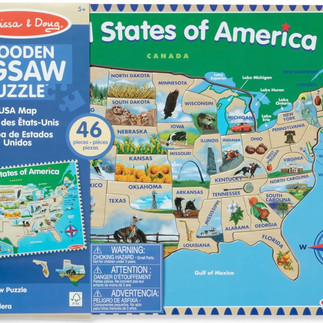
Classic puzzle-as-teacher. Kids learn state shapes and placement just by handling the pieces over and over, and there's real pride in finally getting every state to click into place.
Quick rounds, real countries, no map required. It builds global awareness through play and repetition, which sticks far better than memorizing a list of capitals.
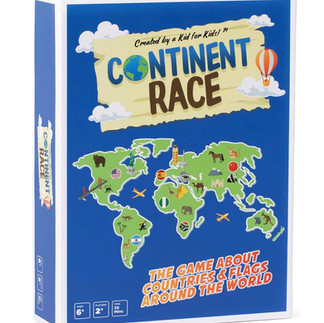
A board game that turns "name that continent" into an actual race, so geography facts get wrapped in competition and laughter instead of quiz-night pressure.
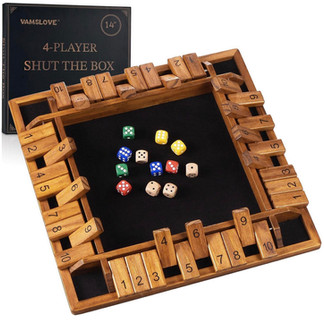
Simple rules, real math. Every roll is quiet addition practice, and because it feels like a fast pub-style game rather than a worksheet, kids will ask to play it again without realizing they're drilling number sense.
Hands-on money math beats a workbook every time. Counting change, making trades, and pretend-shopping teaches real-world math skills kids will actually use, long before it ever shows up as a word problem.



Art:
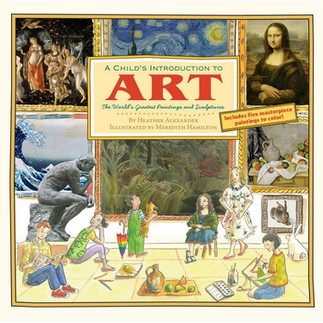
A picture book, not a lecture — it walks kids through famous artworks with stories and context that make masterpieces feel approachable instead of stuffy. Great for planting the seed of "art is interesting" early.
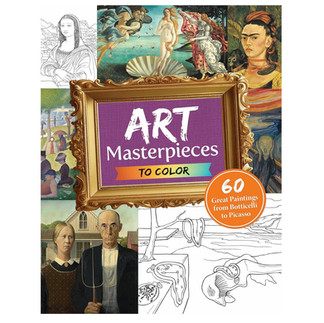
Coloring in a Botticelli or a Van Gogh gets a kid looking closely at brushstrokes, composition, and color choices in a way that just admiring a print never quite does. It's art appreciation disguised as a coloring page.
A playful "fishing" mechanic where kids match famous paintings and artists without ever feeling quizzed. It builds real name-recognition for great works and artists purely through repetition and fun.
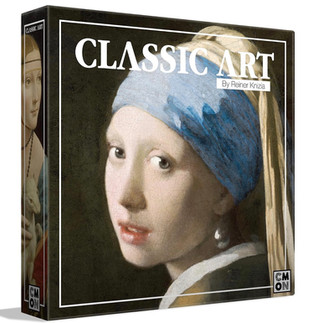
A real strategy game where the pieces happen to be famous paintings. Kids learn to recognize styles and periods while they're focused on winning, which is exactly how art history should sneak in.

Comments