How to Add Classical Music to Your Homeschool - Without Just Listening to It
- HumbleHomeschoolerMama
- Jun 19
- 4 min read
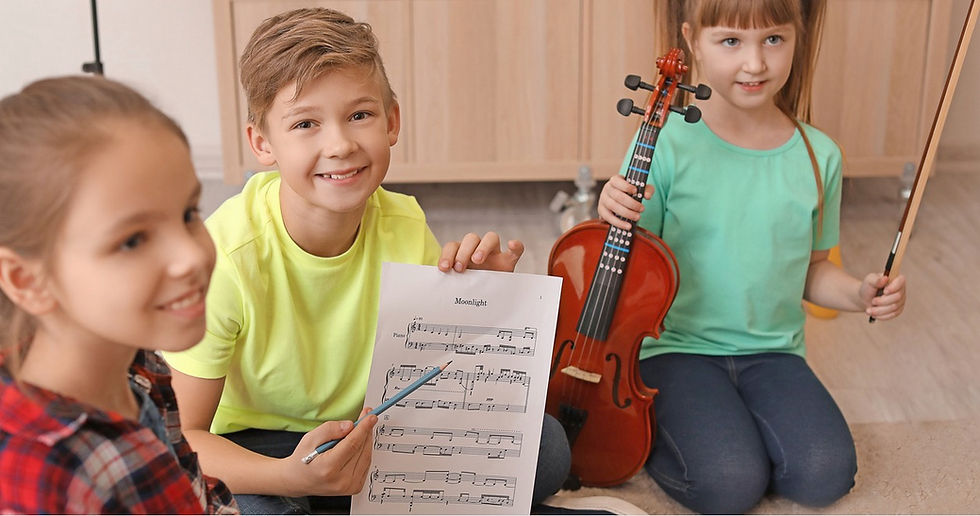
Adding classical music to our home and our homeschool has been one of those decisions I'm endlessly glad I made. It's great academically, sure, but honestly the bigger win for us has been how much calmer my kids get when it's playing, and how much easier it is for them to focus. We've got Symphony Radio on in the background plenty of days, and I'm always encouraging families to look up local concerts or even sign the little ones up for piano lessons if that's an option for you.
But here's the thing. Not every kid is going to sit still and actively listen, and not every day calls for a "concert in the living room" kind of moment. Some of my kids find pure listening kind of... boring, if I'm being honest. So if you're looking for ways to bring classical music into your homeschool that go beyond pressing play and hoping for the best, here's a list of things that have genuinely helped round out the experience at our house.
Books That Bring Composers to Life
Composer biographies written for kids are an easy win. They turn Beethoven or Mozart from a name on a CD into an actual person with a real, often pretty dramatic, life story. There are wonderful illustrated biography series out there made just for this age group, and a few graphic-novel style ones too if your kid is more of a visual reader. "The Composer Is Dead" is a personal favorite in our house because it's funny and turns the whole thing into a bit of a mystery.
Games and Cards
Composer trading cards and matching games are such an underrated tool. We've used flashcard-style sets with a composer's face on one side and fun facts on the back, and turned them into a casual game of memory match. It doesn't feel like "school," but my kids are absorbing names, time periods, and little biographical details without even trying.
Coloring Pages and Composer-Themed Art
This one's perfect for my little one while I'm working with her older brother. Composer coloring pages, instrument coloring sheets, even printable orchestra seating charts to color in have bought me quiet, focused time more than once. It's a low-pressure way to
keep classical music present without demanding active attention.
Hands-On and Sensory Stuff
Rhythm sticks, a kazoo, a cheap recorder, even just letting them bang on a drum while a symphony plays in the background, all of it counts. If you ever get the chance to attend an "instrument petting zoo" at a local symphony event, take it. Letting kids physically hold and try an instrument does more for their connection to the music than another quiet afternoon of listening ever could.
A Pretend Conductor Kit
This one sounds silly but it works so well for the wiggly kids. A little baton, a small music stand, maybe a printed program, and suddenly your child is "conducting" the orchestra playing on the radio. It turns listening into movement and imaginative play, which is exactly what a kid who finds passive listening boring actually needs.
Documentaries and Composer Movies
For a kid who's more of a visual learner, a short documentary about a composer's life can do what straight audio never will. Seeing the time period, the instruments, the struggles a composer went through tends to stick with kids in a way that just hearing a symphony doesn't.
Decor That Keeps It Present
I've hung composer portraits and instrument prints in our homeschool space, and it's a small thing that keeps classical music as part of the visual world my kids live in, not just something that happens during "music time." A poster of an orchestra seating chart on the wall has sparked more questions than I expected.
Lapbooks and Notebooking Pages
If you're someone who likes a little structure, printable notebooking pages for composer studies are a great middle ground. Your child can jot down facts, draw a portrait, or list pieces by that composer they've heard, all without it feeling like a worksheet.
The Bottom Line
Classical music doesn't have to live only in the "listening" box on your homeschool checklist. Books, games, art, hands-on play, and even what's hanging on your walls can all carry the weight just as well, sometimes better, especially for the kid who isn't going to sit still for a symphony no matter how much you want them to.
Start with whichever idea feels most like your kid, and let the rest sneak in over time.
Here's a list to get you started:

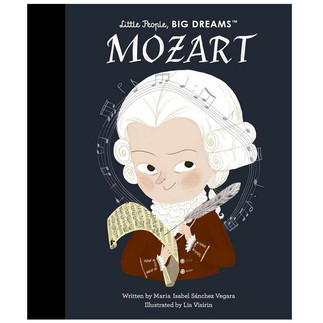



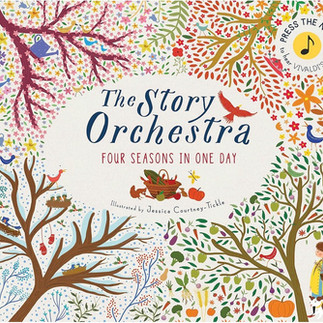

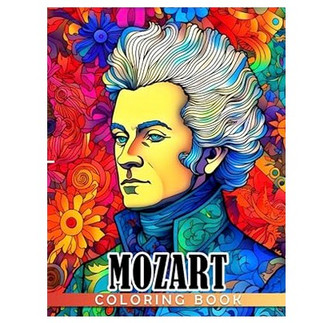

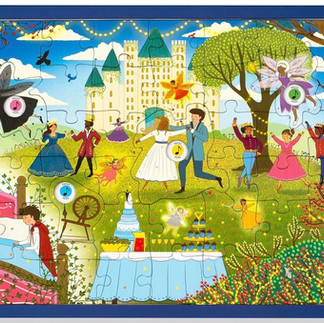

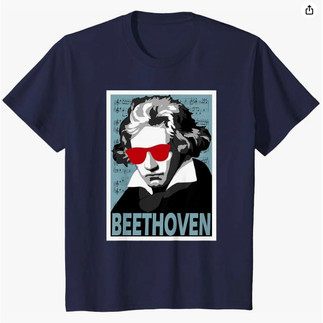
The pages have short descriptions! | |
Listen to Brahms and jam along. | |
Well illustrated! | |
Real music, super cute little friend. | |
His card, his music! | |
Put the music in his/her hands. | |
Let him conduct while listening. | |
Breakfast, Lunch, Dinner. | |
Read-aloud history. | |
Interactive book with music. | |
Put them on the wall. | |
Wear them. | |
My son's favorite. | |
Challenge their knowledge! | |
Go on a word hunt. | |
Press The Note to Hear Tchaikovsky's Music | |
Make it look interesting by showing them vinyl! | |
Put the record on. |

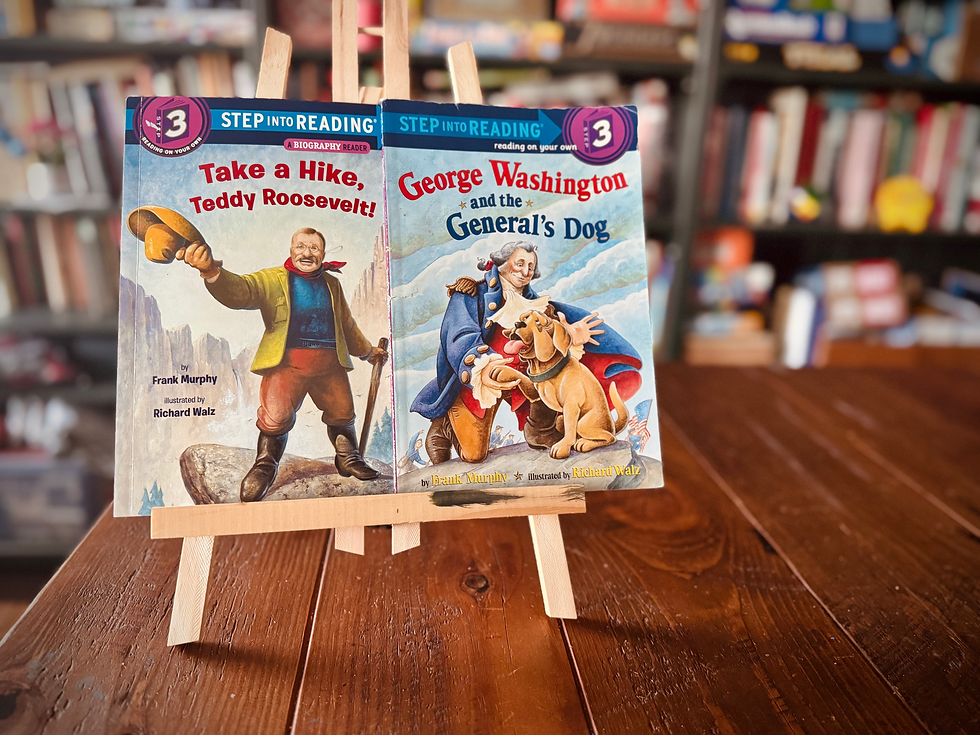
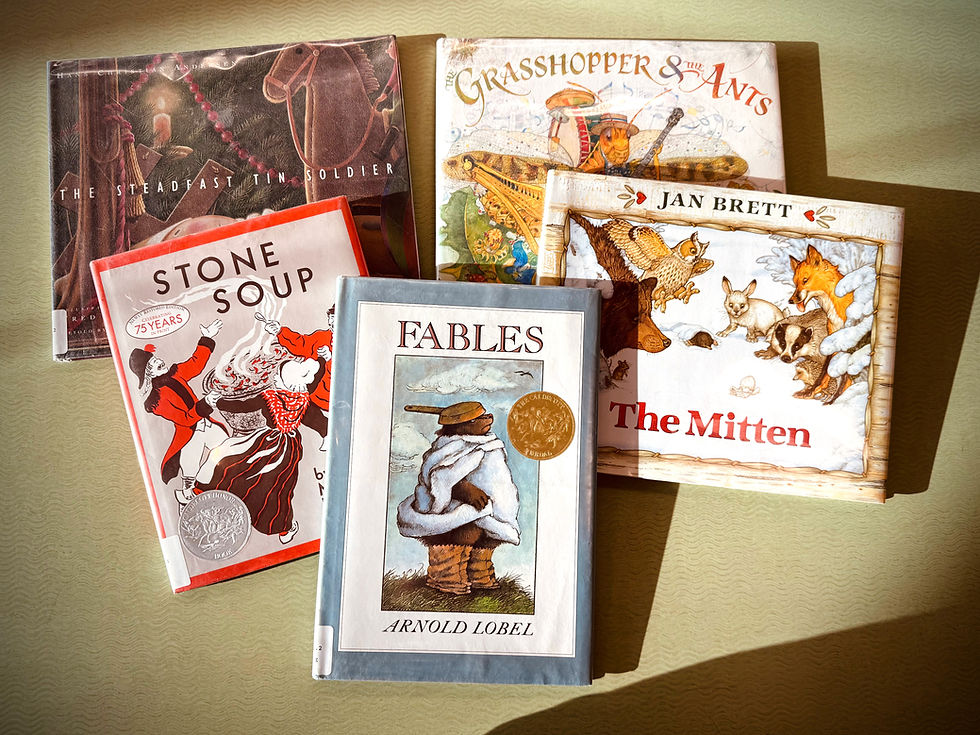
Comments