40 Timeless Books for Every Age That Will Give Your Kids a Truly Magical Childhood
- HumbleHomeschoolerMama
- Jun 24
- 17 min read
I still remember the exact spot on the couch. My daughter was two, wedged under my arm, one finger pressed to a picture of a duck crossing a city street, and she would not let me turn the page until she had looked — really looked — at every car, every leaf, every tiny pigeon in the gutter.
That's when it hit me: she wasn't just listening to a story. She was building something. A way of seeing. A way of hearing language. A taste for beauty that, frankly, no flashcard or app was ever going to give her.
That couch became our favorite place in the house. And over the next several years, it taught me something I wish someone had told me on day one: the books you choose for your child's early years are not neutral. They are quietly, permanently shaping the person your child becomes — their vocabulary, their sense of right and wrong, their eye for art, even their imagination's default settings.
This post is everything I've learned about why that matters, and the 40 books — sorted by age, from board-book babies to confident 12-year-old readers — that I consider the true foundation of a magical childhood.
Why Reading Aloud Is the Single Highest-Leverage Thing You Can Do
There's a reason pediatricians, literacy researchers, and grandmothers have all landed on the same advice: read to your kids, early and often.
It builds vocabulary years ahead of spoken conversation. Everyday talk — "eat your peas," "time for bed" — uses a fairly small set of words. Books don't. A single page of Charlotte's Web will hand a five-year-old words like "languishing," "miraculous," and "innumerable" that would never come up in a casual conversation. Children who are read to regularly hear millions more words, and a much richer variety of them, than children who aren't — and that gap shows up later in reading comprehension, writing ability, and even confidence in school.
It trains the eye before it trains the hand. This is the part people underestimate. Illustrations are a child's first art gallery. The soft watercolor world of Beatrix Potter, the elegant ink lines of E.H. Shepard's Winnie-the-Pooh, the golden, lamplit interiors of a Tasha Tudor book — these aren't decoration. They are a visual vocabulary. A child who spends years looking at genuinely beautiful illustration develops taste the same way a child who hears good music develops an ear for it. You are, quite literally, training their aesthetic sense before they can even talk about it.
It builds the moral and emotional imagination. Living books — the kind with real plots, real characters, and real consequences — let a child rehearse feelings and decisions in a safe space. Charlotte sacrificing herself for Wilbur. Peter Rabbit learning, the hard way, what happens when you don't listen to your mother. Jo March's temper and her growth. These aren't morals delivered with a hammer; they're lived, felt, and absorbed.
And it builds connection. The story is the excuse. The real event is twenty minutes of undivided attention, a voice doing silly accents, a small body curled into yours. Kids don't remember most of what you buy them. They remember being read to.
This is why I no longer think of children's books as "stuff to entertain the kids." I think of them as the architecture of childhood itself — and that's why the books on this list aren't just popular. They're the actual foundations of children's literature, the books that taught generations of readers to love reading in the first place.
How to Use This List
I've broken the list into four age bands, from board books to chapter books, with 10 essential titles in each one. For every book, you'll get:
A short, spoiler-light summary
Why I personally recommend it
A direct link so you can grab a copy today
A quick, honest note before we dive in: some of the links on this page are affiliate links. If you click through and buy a book, I may earn a small commission — at no extra cost to you. It's how I keep building free reading guides like this one, and I only ever recommend books that are genuinely on my own shelves. If you'd rather not use the links, the recommendation stands either way — just go find these titles at your library or local bookstore.
Alright. Let's build your home library.
Ages 0–3: The Board Book & Picture Book Years




This age is all about rhythm, repetition, and pictures your toddler can study for the hundredth time and still find something new. Don't worry about "finishing" the story — at this age, the goal is just falling in love with the ritual of a book in your lap.
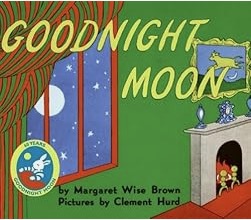
Summary: In a quiet, moonlit room, a little bunny says goodnight to everything around him — the chairs, the kittens, the comb and the brush, the stars.
Why I recommend it: It's quite simply the gold standard of bedtime books. The hypnotic rhythm of the text, paired with Clement Hurd's warm, dim-lit illustrations, will calm even the most wired toddler. This is the book that gets put back on the shelf the most because it works.
Summary: A stuffed rabbit longs to become "real" through the love of the boy who owns him, and learns from the wise old Skin Horse what real love actually costs.
Why I recommend it: This one will make you cry before your toddler even understands why. It's a gentle first lesson in what love and loyalty mean, wrapped in some of the tenderest prose ever written for children.
Summary: Peter disobeys his mother, sneaks into Mr. McGregor's garden, and barely escapes with his skin (and his jacket) intact.
Why I recommend it: Potter's watercolor illustrations are simply some of the most beautiful ever produced for children — every blade of grass is botanically correct. It's also a perfect, low-stakes lesson in listening to your mother.
Summary: A relentlessly curious little monkey gets into one scrape after another after leaving the jungle with the Man in the Yellow Hat.
Why I recommend it: George is basically every toddler's id in monkey form, which is exactly why kids adore him. It's funny, it's gentle, and it normalizes curiosity (and the occasional consequence) rather than punishing it.
Summary: Mrs. Mallard leads her eight ducklings across busy Boston streets to the Public Garden, with the help of a friendly policeman.
Why I recommend it: McCloskey's sepia-toned illustrations are warm, detailed, and gorgeous — a Caldecott Medal winner for good reason. It's also a sweet, gentle story about a mother caring for her family, which toddlers respond to instinctively.
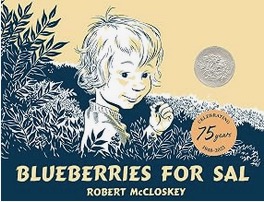
Summary: Little Sal and her mother pick blueberries on one hillside while a baby bear and his mother pick blueberries on the other — and the babies get hilariously, harmlessly mixed up.
Why I recommend it: Another McCloskey masterpiece, with the same lovely, old-fashioned illustration style. The "kuplink, kuplank, kuplunk" of berries dropping into a pail is one of the most satisfying read-aloud sounds in children's literature.
Summary: In four cozy, gentle stories, Little Bear deals with the cold, dresses up in costumes, and waits for his mother to come home — and she always does.
Why I recommend it: Illustrated by the great Maurice Sendak, this is one of the very first "early reader" books, and it's astonishingly tender for something so simple. Little Bear's world feels safe in exactly the way a toddler needs.
Summary: Christopher Robin and his stuffed bear, Winnie-the-Pooh, wander the Hundred Acre Wood with Piglet, Eeyore, Owl, and the rest — looking for honey, hunting imaginary creatures, and mostly just being together.
Why I recommend it: At this age, read it in short chunks as a picture book — E.H. Shepard's illustrations are quietly perfect, and Milne's prose is some of the wittiest, warmest writing in the English language. You will be quoting Pooh's "rumbly in my tumbly" logic for the rest of your life.
Summary: A tiny caterpillar eats his way through the days of the week — and an enormous amount of food — before transforming into a butterfly.
Why I recommend it: Carle's bold, collage-style illustrations are unlike anything else on this list, and they're a fantastic counterpoint to the softer watercolors above — kids should see different kinds of beautiful art, not just one style. The die-cut pages also make this an interactive favorite.
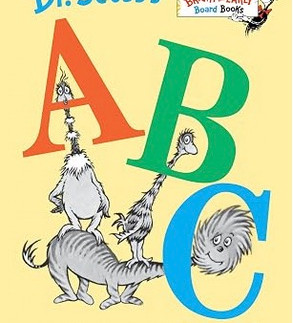
Summary: A romp through the alphabet starring Aunt Annie's alligator, Big Bouncing Billy, and a parade of other delightfully absurd Seussian creatures.
Why I recommend it: No list is complete without Dr. Seuss, and this title in particular is a brilliant entry point — it builds letter recognition and phonemic awareness through pure rhythm and nonsense, which is exactly the kind of wordplay that makes toddlers fall in love with language.
Ages 4–7: The Read-Aloud Years







This is the golden age of being read to. Attention spans are growing, vocabulary is exploding, and kids can now follow a short chapter book across several nights — which makes bedtime reading one of the most anticipated parts of the day.
Summary: A polite, marmalade-loving bear from "Darkest Peru" is found at Paddington Station and adopted by the Brown family, where his good intentions lead to one disaster after another.
Why I recommend it: Paddington is the gentlest kind of funny — he never means harm, and he's always forgiven, which is a wonderful, quiet lesson for small humans who are also constantly making mistakes.
2. The Tale of Squirrel Nutkin and other Beatrix Potter classics
Summary: A cheeky, impertinent squirrel pesters Old Brown the owl with riddles until he very nearly doesn't escape with his tail intact.
Why I recommend it: Beyond Peter Rabbit, Potter's wider world deserves a full read-through by this age — the language is richer than most modern picture books, and the illustrations remain some of the finest natural art for children ever published.
Summary: Two best friends — one excitable, one steady — go through a year of small adventures: losing a button, waiting for spring, being too scared to admit they're scared. Why I recommend it: This is, in my opinion, the single best portrait of friendship in children's literature. Lobel's gentle ink-and-watercolor illustrations and his perfectly simple sentences make this an ideal first "I can read it myself" milestone too.
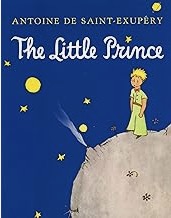
Summary: A pilot stranded in the desert meets a small prince who has traveled from his tiny home planet, and who shares strange, beautiful truths about love, loss, and what truly matters.
Why I recommend it: It reads as a simple fable but holds genuine philosophy underneath — "what is essential is invisible to the eye" is a line worth building a whole childhood around. Read it now for the story; they'll re-read it as adults for the meaning. 👉 Find The Little Prince on Amazon
Summary: Alice tumbles down a rabbit hole into a topsy-turvy world of a grinning cat, a mad tea party, a hookah-smoking caterpillar, and a tyrannical Queen of Hearts.
Why I recommend it: This is wordplay as art form — puns, logic games, and pure nonsense that will absolutely stretch your child's vocabulary and sense of humor at the same time. Find an edition with the original John Tenniel illustrations; they're iconic for a reason.
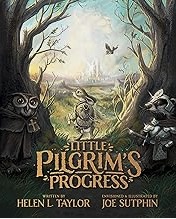
Summary: A children's adaptation of John Bunyan's allegory, following young Christian as he journeys from the City of Destruction toward the Celestial City, facing the Slough of Despond and the Hill of Difficulty along the way.
Why I recommend it: It's one of the gentlest ways to introduce big ideas — perseverance, temptation, courage — through pure adventure-story logic, long before a child is ready for the dense original text. A foundational piece of Western literature, made accessible.
Summary: The smallest girl in a Paris boarding school is "not afraid of mice," has her appendix out, and generally proves that the littlest one can be the bravest.
Why I recommend it: Bemelmans' loose, painterly illustrations of Paris are a child's first taste of European art and architecture, folded into one of the most charming, rhythmic read-alouds in print.
Summary: A young orphan goes to live with her gruff grandfather in the Swiss Alps, and her warmth and openness slowly soften everyone — and everything — around her.
Why I recommend it: The descriptions of Alpine meadows and mountain life are gorgeous enough to plant a permanent love of nature, and Heidi herself is one of the kindest, most resilient heroines in classic literature. Best read aloud over several weeks. 👉 Find Heidi on Amazon
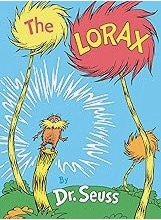
Summary: The Once-ler tells the story of how he chopped down every Truffula tree to make Thneeds, ignoring the Lorax's warnings, until there was nothing left.
Why I recommend it: Seuss at his most morally serious — this is the rare environmental story that never feels preachy, because it's wrapped in his trademark rhyme and invented vocabulary. A genuinely formative read for how kids think about responsibility. 👉 Find The Lorax on Amazon
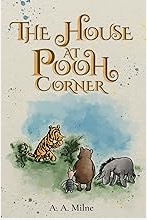
Summary: The further adventures of Pooh, Piglet, and friends, including the introduction of the ever-bouncing Tigger and Christopher Robin's bittersweet, beautifully written farewell to childhood.
Why I recommend it: The final chapter — where Christopher Robin and Pooh say goodbye to the Hundred Acre Wood — is one of the most quietly moving passages in all of children's literature. Have tissues ready; this one gets parents more than kids.
📚 Make this your nightly ritual. A consistent read-aloud routine at this age is the #1 predictor of a confident reader later on. Shop the full ages 4–7 collection on Amazon →
Ages 8–10: The Bridge to Independent Reading







Somewhere in here, your child crosses the invisible line from "being read to" into "reading on their own" — though honestly, the read-aloud chapter book at bedtime should never fully disappear. This is the age for real adventure, real heartbreak, and the first taste of genuinely great literature.
Summary: A spider named Charlotte uses her web to save a pig named Wilbur from the butcher's block, in a story about friendship, sacrifice, and the changing of the seasons. Why I recommend it: This might be the most perfectly written children's novel in the English language — White was a master prose stylist, and it shows in every sentence. It will also likely be the first book that makes your child genuinely cry, in the best way.
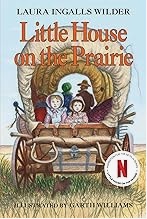
Summary: The Ingalls family leaves the Big Woods of Wisconsin for the open prairie of Kansas, building a new life from scratch — a house, a well, a garden — in a landscape both beautiful and dangerous.
Why I recommend it: Wilder's eye for the small, concrete details of daily frontier life — how a log cabin is built, what it's like to wait out a prairie storm — quietly teaches history far better than any textbook, while reading like a genuine page-turner.
Summary: A mischievous boy along the Mississippi River fakes his own death, witnesses a murder, and tricks an entire neighborhood into whitewashing his fence for him.
Why I recommend it: Twain's wit is unmatched, and Tom is the original lovable troublemaker — every clever, rule-bending kid since owes something to him. It's also a genuine, vivid window into 19th-century American life.
Summary: A pampered dog named Buck is stolen from a comfortable California home and thrust into the brutal world of the Yukon gold rush, where he must rediscover his primal instincts to survive.
Why I recommend it: London's prose is muscular and vivid, and the book doesn't flinch from the harsh realities of nature — a powerful, honest contrast to gentler stories, and a brilliant entry point into both adventure literature and real history.
Summary: The meticulous Englishman Phileas Fogg bets his entire fortune that he can circle the globe in just eighty days, racing through trains, steamships, and elephants with his loyal valet Passepartout.
Why I recommend it: Verne is the godfather of adventure fiction, and this is his most accessible, joyful book — a geography lesson disguised as a thrill ride, full of real 19th-century places and cultures.
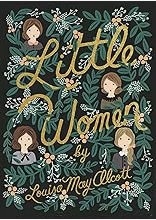
Summary: The four March sisters — Meg, Jo, Beth, and Amy — grow up during the Civil War years, navigating poverty, ambition, first loves, and devastating loss with humor and fierce loyalty to one another.
Why I recommend it: Jo March remains one of the great heroines of literature — ambitious, flawed, and utterly real — and Alcott's writing balances genuine warmth with genuine grief in a way few books for this age manage.
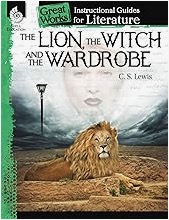
Summary: Four siblings step through an old wardrobe into Narnia, a land frozen in eternal winter under the rule of the White Witch — until the great lion Aslan returns.
Why I recommend it: Lewis builds a fully realized fantasy world while never losing sight of courage, betrayal, and redemption — it's a gateway both to fantasy literature and to some of the richest moral storytelling available to this age group.
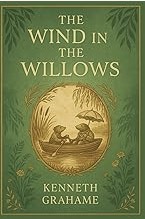
Summary: Mole, Ratty, Badger, and the irrepressible Mr. Toad share riverbank adventures, picnics, and one spectacularly reckless motor-car obsession along the English countryside.
Why I recommend it: Few books capture the simple pleasure of friendship and "messing about in boats" so beautifully — the prose is lush and unhurried in a way that trains patience and attention in a generation raised on fast cuts.
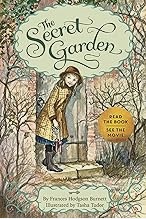
Summary: A sickly, sour orphan named Mary discovers a locked, forgotten garden on her uncle's Yorkshire estate — and along with it, a sickly cousin and a new will to live.
Why I recommend it: It's a quiet masterpiece about how nature, friendship, and purpose can transform even the unhappiest child — and the descriptions of the garden itself are genuinely gorgeous, vivid writing.
Summary: A rhyming, riotous send-off through life's ups, downs, "Bang-ups" and "Hang-ups," ending in a rousing call to go out and seize the world.
Why I recommend it: This belongs here as much as in any graduation gift box — it's Seuss distilled into pure, propulsive encouragement, and a perfect transitional read as your child starts thinking about who they want to become.
Ages 11–12: The Threshold to Great Literature


By now, your reader can handle real length, real complexity, and real stakes. These are the books that build a lifelong relationship with serious literature — the ones they'll still be quoting, and re-reading, as adults.
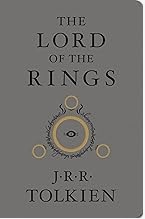
Summary: A reluctant hobbit named Frodo carries a cursed ring across Middle-earth to destroy it in the fires of Mount Doom, gathering allies — and facing the growing shadow of Sauron — along the way.
Why I recommend it: This is, without exaggeration, the foundation of modern fantasy literature — nearly every fantasy world built since owes Tolkien a debt. It's a long, rich commitment, but it rewards a patient young reader with one of the most fully imagined worlds ever written.
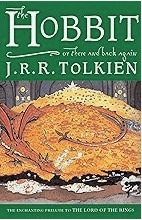
Summary: Bilbo Baggins is swept from his comfortable hobbit-hole into a quest with thirteen dwarves to reclaim treasure guarded by the dragon Smaug.
Why I recommend it: It's the gentler, funnier on-ramp to Tolkien's world, perfectly paced for this age, and it builds the appetite for the bigger trilogy above.
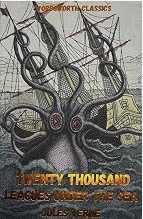
Summary: Captain Nemo pilots his extraordinary submarine, the Nautilus, through the world's oceans, encountering giant squid, sunken civilizations, and his own dark, mysterious past.
Why I recommend it: Verne predicted submarine technology decades before it existed — this is science fiction at its most visionary, and it pairs beautifully with real lessons in oceanography and physics.
Summary: Huck Finn escapes his abusive father by faking his death and rafting down the Mississippi River with Jim, an enslaved man seeking freedom — confronting, page by page, the moral failures of the world around him.
Why I recommend it: Often called the great American novel, it's Twain's deepest and most morally serious work — a genuine, unflinching conversation-starter about conscience, friendship, and justice.
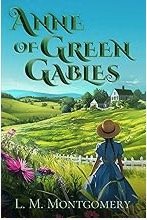
Summary: A fiercely imaginative orphan named Anne Shirley is adopted (somewhat by accident) by a brother and sister on Prince Edward Island, and proceeds to talk, dream, and scrape her way into everyone's hearts.
Why I recommend it: Anne's imagination and her way with language are genuinely infectious — Montgomery's descriptions of the Canadian landscape are stunning, and Anne herself is one of the great literary role models for a strong-willed girl.
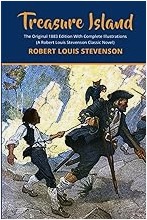
Summary: Young Jim Hawkins sails in search of buried pirate treasure aboard a ship secretly crewed by mutineers, led by the unforgettable, morally ambiguous Long John Silver.
Why I recommend it: This is the book that invented the modern pirate — the treasure map, the parrot, the "X marks the spot" — and Stevenson's prose moves at a thrilling, page-turning pace that builds real reading stamina.
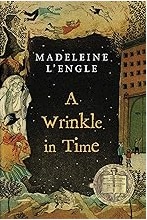
Summary: Meg Murry travels across dimensions with her brother and a new friend to rescue her missing scientist father from the grip of a dark, conformist power on a distant planet.
Why I recommend it: It blends real physics concepts with deep emotional and even spiritual questions, and Meg is a wonderfully imperfect, relatable heroine — a fantastic bridge into science fiction for thoughtful kids.
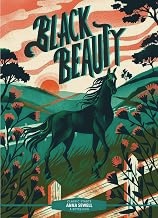
Summary: Narrated by the horse himself, Black Beauty's life takes him from a comfortable country estate through cruelty, hardship, and finally back to kindness — a story written, in part, to campaign against the mistreatment of horses.
Why I recommend it: It's one of literature's earliest and most effective animal-welfare stories, and it builds genuine empathy by putting the reader inside the perspective of a creature who can't speak for himself.
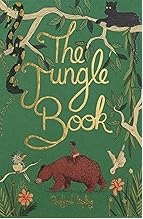
Summary: Mowgli, a boy raised by wolves in the Indian jungle, learns the Law of the Jungle from Baloo the bear and Bagheera the panther, while facing the menace of the tiger Shere Khan.
Why I recommend it: Kipling's prose has real muscle and music to it, and the stories work on two levels at once — thrilling adventure on the surface, and genuine reflection on belonging and identity underneath.
Summary: A wild wolf-dog in the brutal Yukon wilderness is gradually, painfully tamed by the patient kindness of a single man — a mirror story to The Call of the Wild, run in reverse.
Why I recommend it: Reading this alongside The Call of the Wild (from the earlier age band) gives kids a complete, fascinating picture of London's central theme — the line between wild nature and civilization — from both directions.
🏰 Give them the books that built every fantasy and adventure story they'll ever love. This is the collection that turns kids into lifelong readers of "real" literature. Browse the full ages 11–12 collection on Amazon →
Building Your Family's Living Library
If there's one thing I hope you take from this list, it's that you don't need forty new books this week. Pick one. Pick the one from your own childhood, or the one whose summary made you a little teary above. Read it tonight, slowly, in a voice that isn't rushed.
The magic isn't really in the books. It's in the time spent inside them, together. The books are just the doorway.
Ready to start building your shelf? Here's the simplest plan I give every friend who asks:
Pick 2–3 books from your child's current age band above and order them this week.
Set a 15-minute read-aloud time — right before bed works for most families — and protect it like any other routine.
Let your child choose the next book once you finish one. Ownership over the choice builds the habit faster than any list (even this one) ever could.
Disclosure: This post contains affiliate links. As an Amazon Associate, I earn a small commission from qualifying purchases made through these links, at no additional cost to you. I only recommend books I genuinely believe belong on every child's shelf.


Comments