Homeschooling Kindergarten: Why You Don't Need a Curriculum Yet (And What to Do Instead)
- HumbleHomeschoolerMama
- Jul 16
- 7 min read

Your kid just turned five or six, and suddenly every homeschool group you're in is talking curriculum, workbooks, and "getting started." You feel the itch to make it official.
Take a breath — you don't need to rush this, and rushing it can actually work against you.
I'm even a little hesitant to use the word "kindergarten" here, because one of the real gifts of homeschooling is that you don't have to follow grade-level timelines just because a school district would. If your five-year-old is genuinely asking you to teach her to read, go ahead and start. If she'd rather kick a ball around the park all day, that's a perfectly good year too. There's no clock running.
Here's how I'd actually spend this year — and the handful of tools that are genuinely worth buying, versus everything you can skip.
1. Let Them Play — But Curate What They Play With
At this age, play is the curriculum. Kids this young learn best through unstructured, self-directed play, not through worksheets or lessons. Your job isn't to teach in the traditional sense — it's to curate.
That means being intentional about the toys within reach, the books on the shelf, the activities you casually offer. You're not forcing learning; you're setting the stage so it happens on its own, and that's a much more powerful position to parent from than standing over a workbook.
2. Watch and Learn Your Own Kid
Instead of hunting for the "right" curriculum, spend this year simply observing how your child takes in the world. This is the single best use of your time right now. Some kids learn best through movement — they need to be running or building something with their hands.
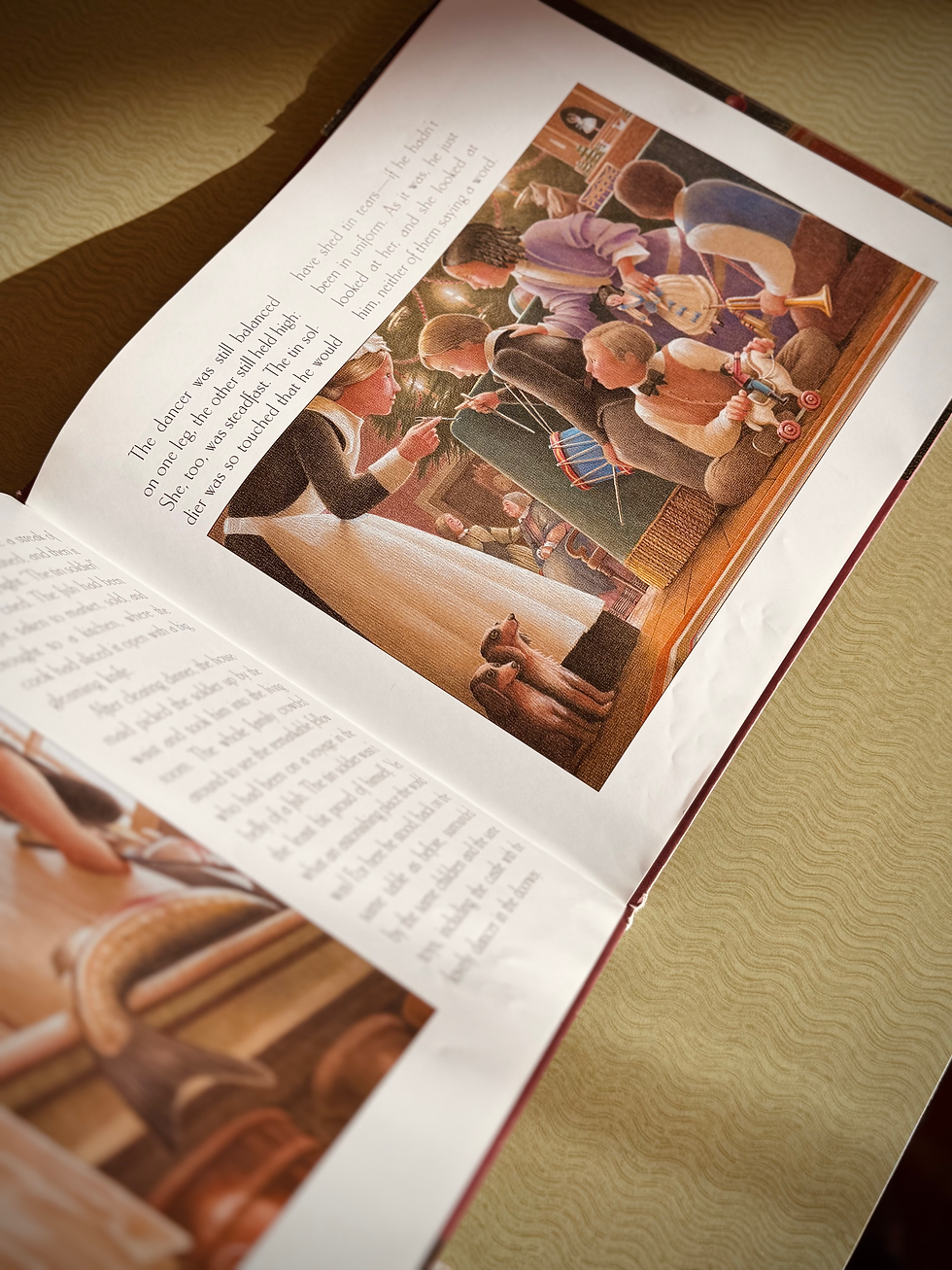
Others absorb everything through read-alouds. Some learn through hands-on experience, and some just soak things up through casual conversation. It's honestly a little wild what sticks from an offhand chat in the car on the way to the grocery store, or at breakfast, that was never meant to be a "lesson" at all.
This year of watching isn't wasted time before the "real" homeschooling starts — it is the real work. You're figuring out how your specific kid's brain works, and you're building the closeness and rhythm together that everything later will depend on. Get on the same page now, and the years after this get a lot easier.
3. Skip the Curriculum (For Real)
At this age, my honest recommendation is no formal curriculum at all. Not needed, not yet. If you go looking anyway and stumble across something that genuinely resonates with you — it just feels right the moment you see it — sure, buy it. It can serve as a loose guide, and that's fine.
But there's no obligation to have one, and there's no reason to spend the money before you actually need to. You'll know the right curriculum when you see it, and for most kids that's still a year or two away.
4. Get Outside, A Lot

This might be the single highest-leverage thing you can do this year. Park, backyard, hiking trail, national park, a random patch of woods — it genuinely doesn't matter where. Look at flowers together. Talk about the butterflies. Throw rocks into a creek. The point isn't a structured "nature lesson" — it's just being in it, talking about it, and enjoying it together.
The real work here is on you, ahead of time. I wasn't prepared for this when my kid hit this age, and I was grateful to have a few good books around so I could look up the local birds, trees, and wildflowers. Sometimes we looked things up together on the spot, like a little field guide scavenger hunt. Other times I made it my own hobby — learning to recognize the birds, the flowers, the different tree bark and bugs — so I could casually drop the information into conversation. A surprising amount of it stuck. My kid ended up teaching other kids, and even adults, about oak trees and the Maryland bluebird, completely unprompted.
A few tools genuinely earn their keep here:


A Magnifying Glass — Because Everything Deserves a Closer Look
Binoculars — Instant Explorer Status
A Nature Journal — So You Don't Have to Be the Idea Machine
A Bug Catcher Kit — Nothing gets a reluctant nature-studier moving faster than the promise of catching something.
Wooden Bird Call Set - Let's chirp!
I go much deeper on outdoor learning tools in this post:
What you could grab for yourself:
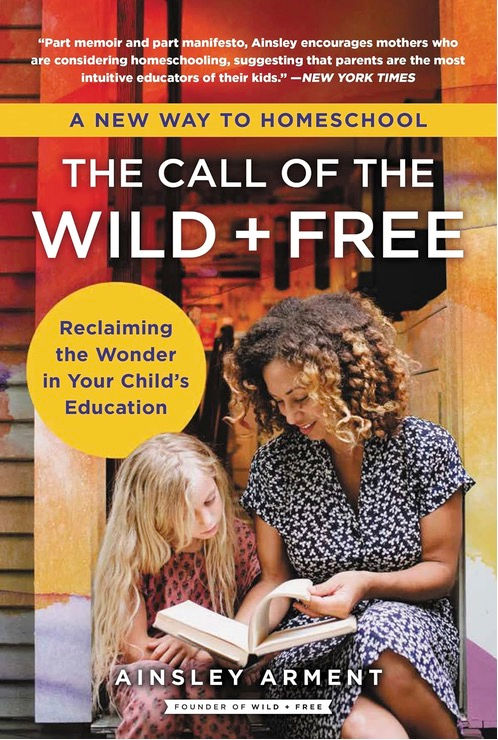
The Call of the Wild and Free - The book you need in this phase. Allow your kids to experience the adventure, freedom, and wonder of childhood.
Field Guide to Birds of Eastern & Central North America - bird watching guide for birders of all levels with illustrations.
Field Guide to Trees - It is surprisingly fun to talk about trees.
Or any other field guide you are interested in. Flowers, bugs, creeks, rocks.
5. Watch for Reading Readiness
Pay attention to the signs your child is getting ready to read, even if he never says so directly. There's a whole runway of alphabet and phonics exposure that leads smoothly into actual reading later, and it doesn't need to look like instruction. Keep a few things in easy reach so the foundation is quietly building itself:


My personal favorite: Alphabots (robots turning into letters)
My favorite books for reading readiness:
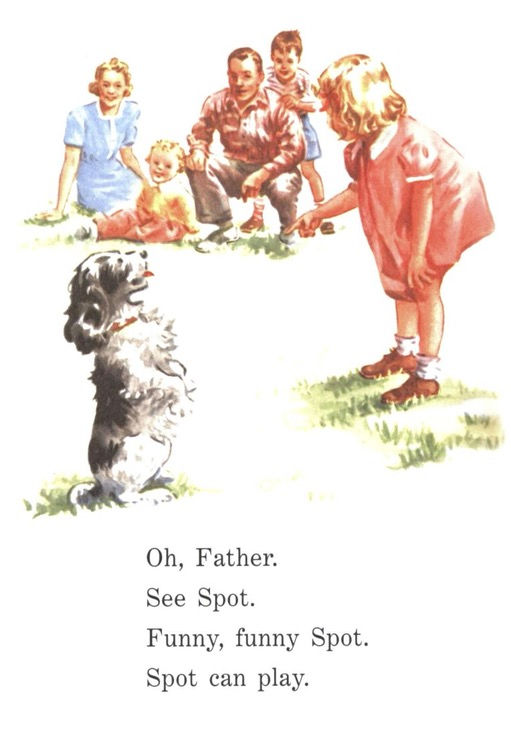
Ready to Learn: Kindergarten Reading Workbook - keep it out, and have fun
Sets of 4 Classic Dick & Jane Readers - Oh so classic and beautiful!
My Beginning Readers Set Little Books - Keep it interesting with the variety
6. Read "Living Books"
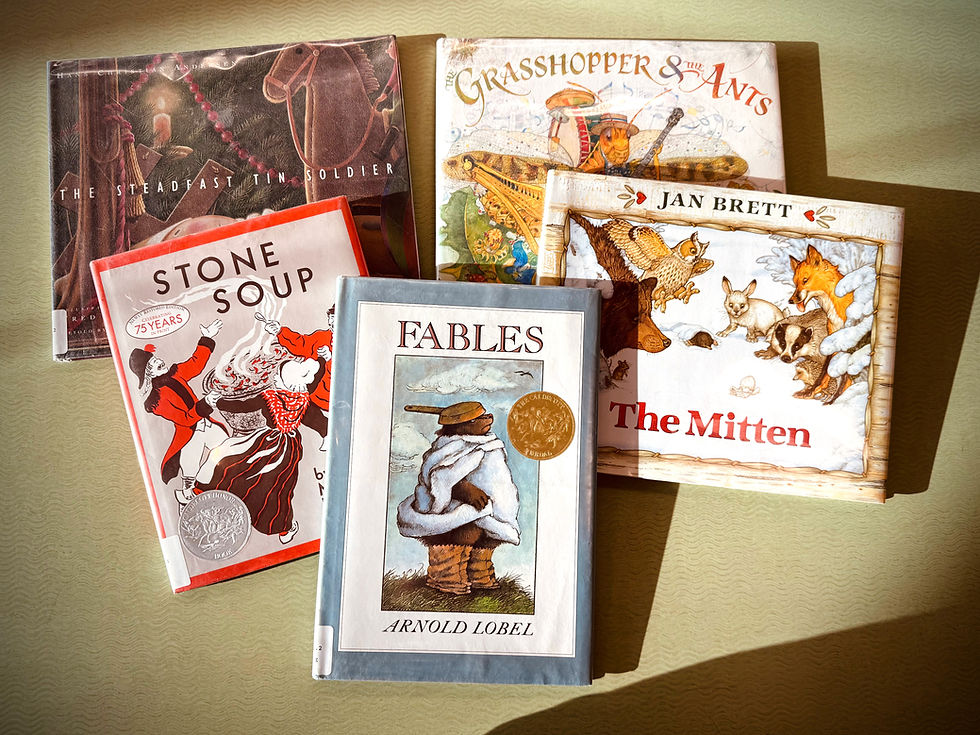
This is also a wonderful age to start introducing classic children's literature — what Charlotte Mason homeschoolers call "living books," as opposed to dry, textbook-style writing. This is a real opportunity: it builds vocabulary, shapes how your child expresses themselves, and quietly forms their taste for well-written, well-told sentences. It's not just entertainment — it's laying groundwork that will make the transition into independent reading noticeably smoother later on.
The quick list for this age you can start with:

I've put together a few lists of great living books for this age:
7. Build Good Taste, On Purpose

Something people don't talk about enough: you are entirely in charge of the atmosphere your child grows up in, and that includes their taste. This is a great age to start instilling it deliberately — classical music, classical literature, the best artwork from the masters. And to be clear, the goal isn't for your child to be able to name the composer or the painter. Nobody's testing them. It's entirely about the atmosphere you build around them, day to day, without making a production of it.
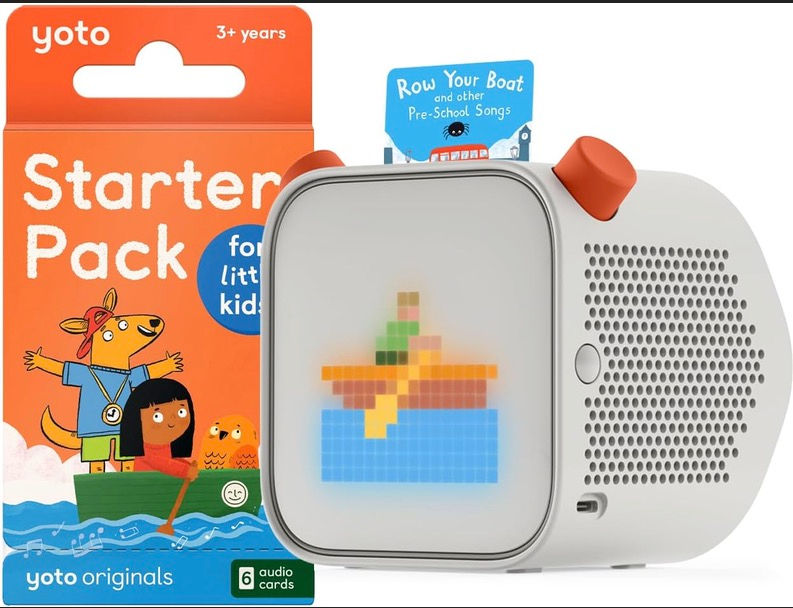
Classical music can slip in almost effortlessly — on the radio, in the car, wherever. A Yoto player loaded with classical music cards (and literature cards, while you're at it) is one of the better investments I've made.
Read more on this here:
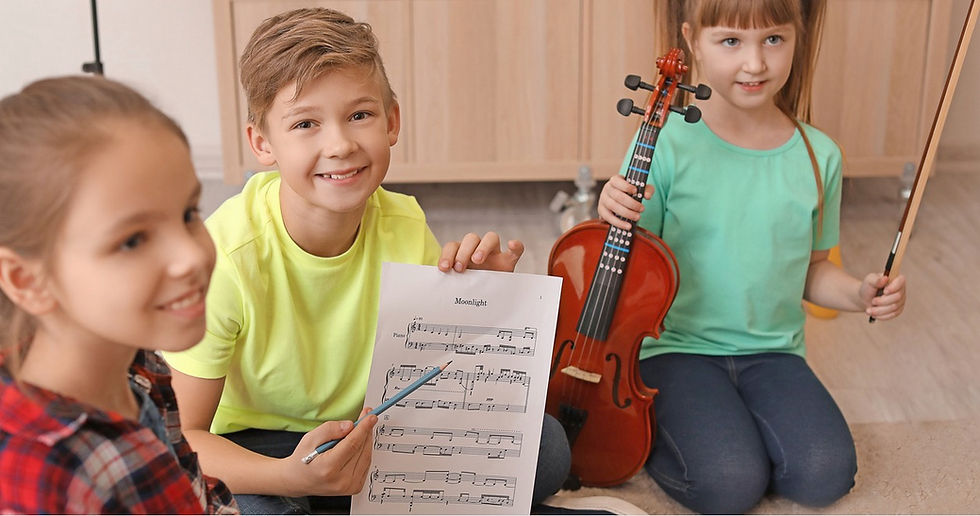
I'd also genuinely recommend taking your child to a classical concert. There are almost always cheap options, outdoor ones, or ones you can slip out of early if the attention span runs out — this is exactly the age I started taking my son, and he loved it far more than I expected.
A few starting points:
Yoto player with classical music and literature cards
My favorite books for this age on classical music:


The Animal Orchestra Plays Mozart - look for the series with Beethoven, and other artists!
The Story Orchestra: I Can Play: Swan Lake - again, this is a series of books. Pick your favorites.
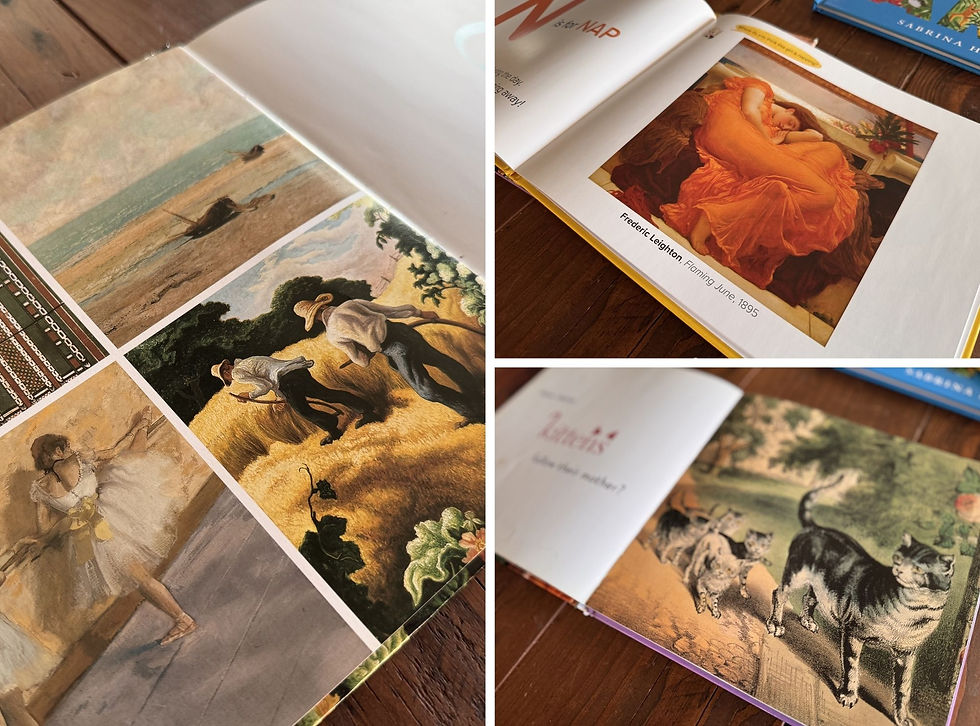
Fine art books are another easy win, and local museums are worth the trip. Some fine art books are just pictures of masterpieces; you can also find coloring books based on famous paintings, or a memory-matching card game featuring artwork, which is a surprisingly effective way to surround your child with beauty without it feeling like a lesson.
Check out my post where I go deeper in this topic:
Again — this isn't about the "right answer." Sometimes it's enough to just say, "Hey, did you notice how the light hits the flowers there? Isn't that beautiful?" There are also lovely books written from the imagined point of view of the artists themselves, or ones that invite kids to imagine climbing into a painting — both are worth having on the shelf.
A few starting points for fine art:
My favorite books for this age on fine art:


Sabrina Hahn's Art & Concepts for Kids 4-Book Box Set - this set doubles down on alphabet, and counting as well!
A Child's Introduction to Art: The World's Greatest Paintings and Sculptures - I love this one for the projects it adds with each artist!
The Quick Version
If you only remember one thing from all this: this year isn't about curriculum, it's about atmosphere. Let them play, get outside as much as you can, watch closely to figure out how your kid actually learns, surround them with good books, good music, and good art, and keep half an eye out for signs of reading readiness.
Don't sweat the structure, the schedule, or the workbooks — that stuff comes later, and it comes easier because of this year, not despite skipping it.
Comments